
ARPwave Resources
Shin Splints: What They Are, What Causes Them, and How to Heal Faster

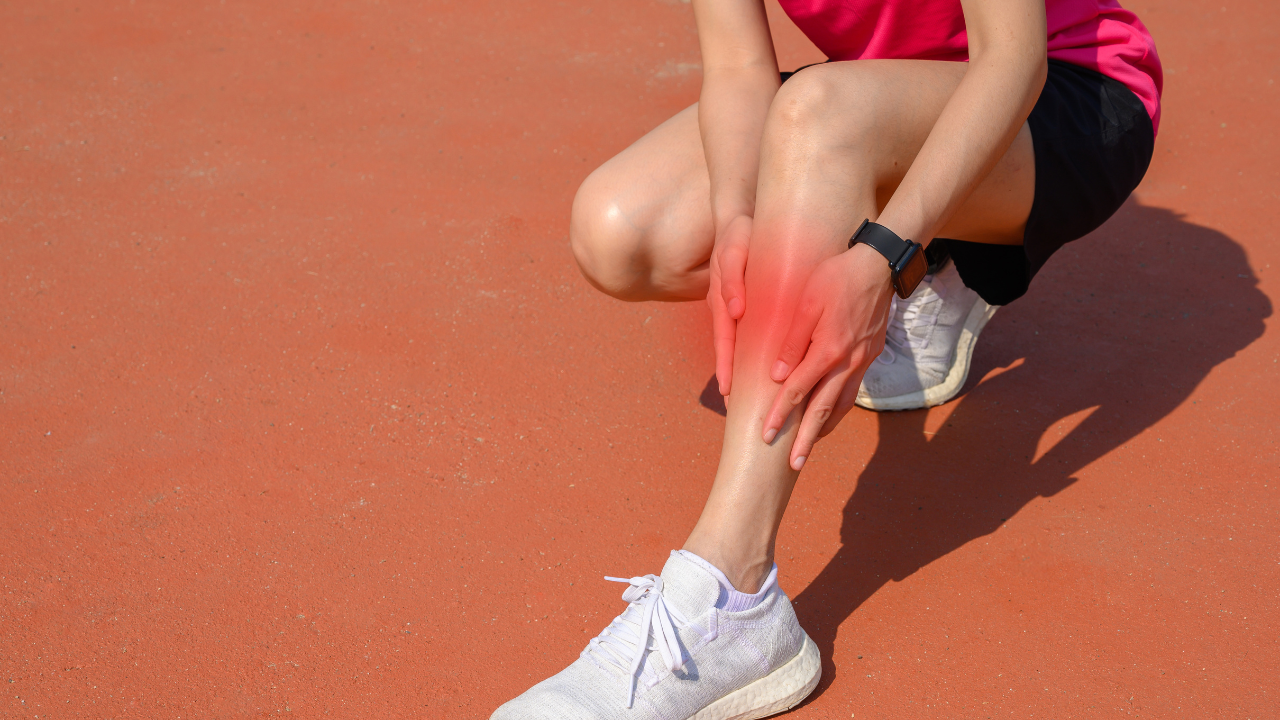
Shin Splints: Understanding Shin Pain When Walking or Running
If you have pain in the front of the shin, soreness along the inner lower leg, or shin pain while running, you may be dealing with shin splints.
Shin splints are one of the most common overuse issues for runners, athletes, and active adults. They often start as a dull ache, then build into persistent irritation that shows up during exercise, after activity, or even with walking. The good news is that shin splints can often be improved with the right recovery plan, movement strategy, and training adjustments.
If you are searching for answers to questions like what are shin splints, how to get rid of shin splints, what causes shin splints, or how do I heal shin splints, this guide breaks it down clearly.
We will also cover how ARPwave may fit into a non-drug recovery strategy for people looking to improve movement, reduce compensation patterns, and support healing.
 What Are Shin Splints?
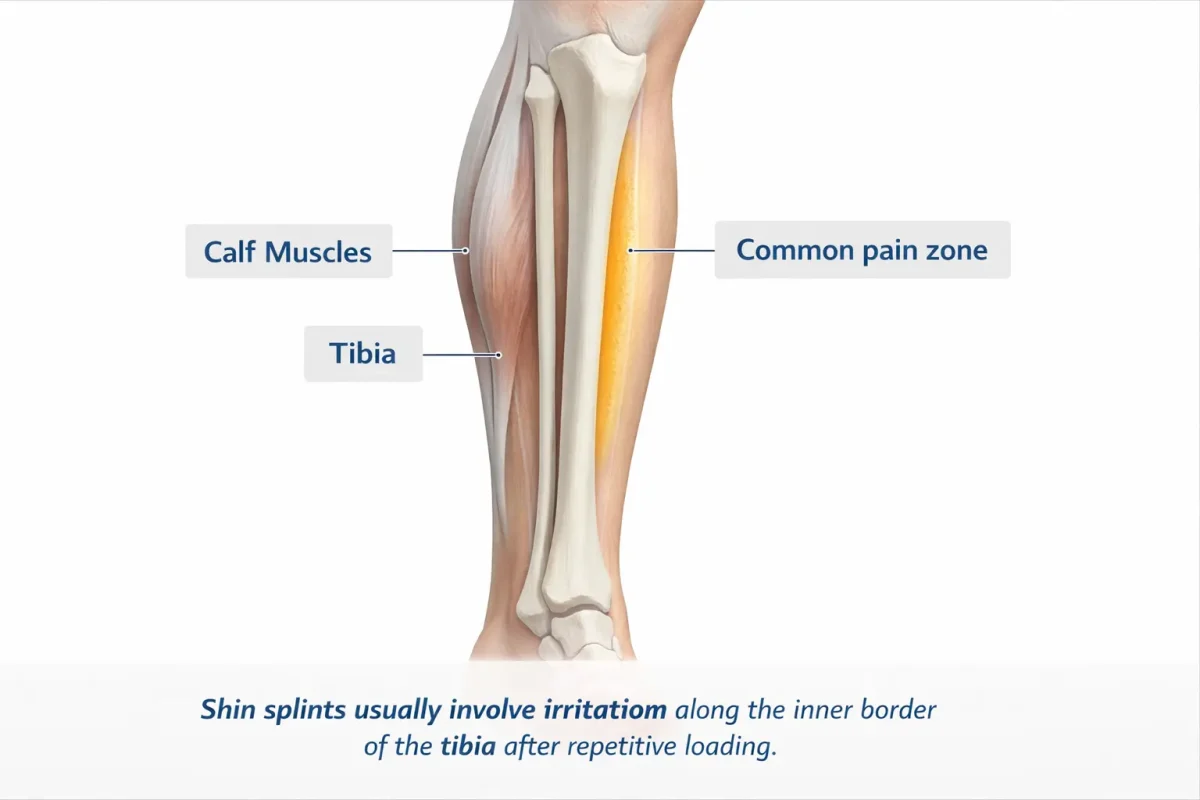
Shin splints are a common term used to describe pain along the shinbone, also called the tibia. In many cases, shin splints refer to irritation of the muscles, tendons, and surrounding tissue attached to the shin area from repetitive stress.
Most people feel shin splints as:
- Pain in the front of the shin
- Pain along the inside edge of the shinbone
- Shin pain when walking/running
- Tenderness, tightness, or throbbing after activity
- Discomfort that may start mild and become more constant over time
Shin splints are especially common in:
- Runners
- Basketball, soccer, and tennis athletes
- Military recruits
- People returning to exercise too quickly
- Anyone increasing impact activity without proper recovery
In many cases, shin splints are related to what is often called medial tibial stress syndrome (MTSS), though people may also use the term more broadly when describing lower leg pain from overuse.
What Causes Shin Splints?
 What Causes Shin Splints?
 If you are asking what causes shin splints, the short answer is repetitive overload.
Shin splints often happen when the muscles and connective tissues in the lower leg are taking more stress than they can recover from. This can happen gradually or after a sudden jump in activity.
Common causes of shin splints include:
1. Sudden Increase in Training
▪ A rapid increase in running mileage, sprinting, jumping, or conditioning volume can overload the lower leg before the body adapts.
2. Poor Recovery
▪ Not enough rest between workouts can keep the tissues irritated and prevent proper healing.
3. Running Form or Movement Compensation
▪ When the body is not moving efficiently, extra stress may shift into the shin, calf, ankle, or foot.
4. Weakness or Neuromuscular Dysfunction
▪ If the hips, glutes, calves, feet, or lower leg stabilizers are not working together well, the shin may take more load than it should.
5. Tight Calves or Limited Ankle Mobility
▪ Restricted movement at the ankle can change mechanics during walking and running, increasing stress on the shin.
6. Poor Footwear
▪ Worn-out shoes or shoes that do not match the demands of your foot and activity can contribute to repetitive irritation.
7. Hard Training Surfaces
▪ Running on hard or uneven surfaces may increase lower leg impact stress.
8. Flat Feet or Other Structural Stressors
▪ Foot mechanics can influence how force moves up the chain into the shin.
What Is Causing My Shin Pain?
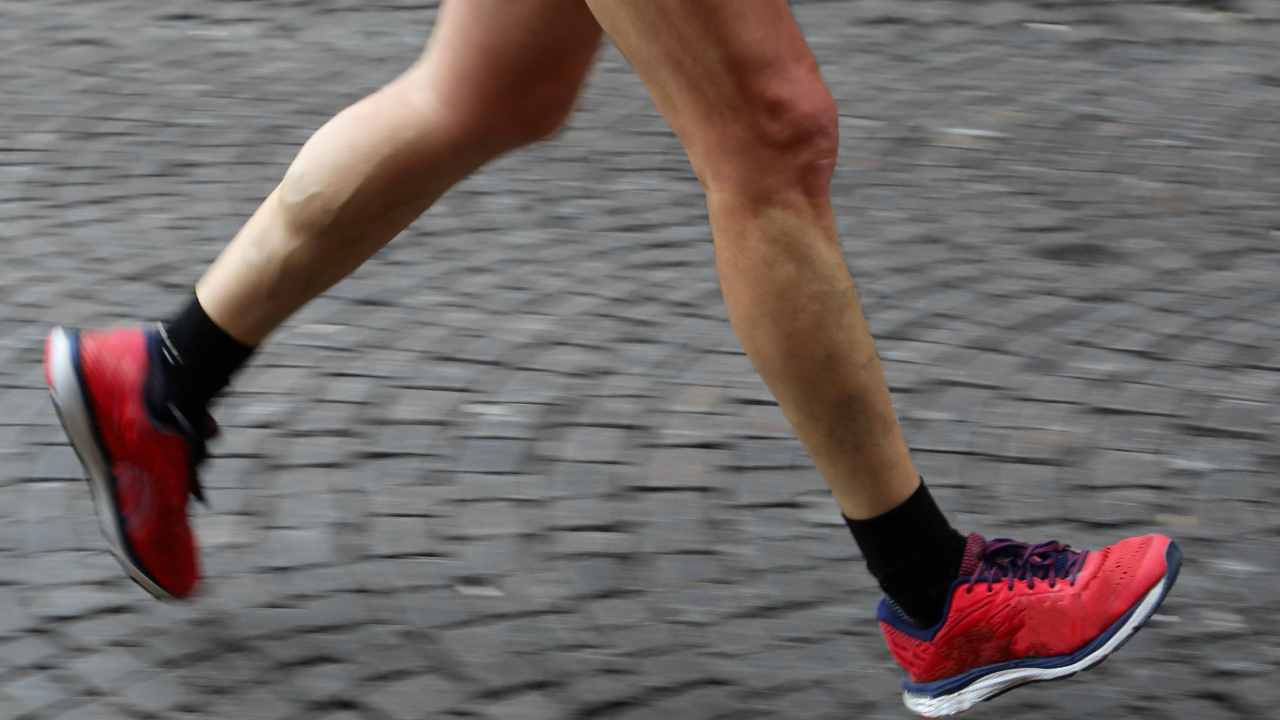 What Is Causing My Shin Pain?
 Not all shin pain is the same. If you are wondering what is causing my shin pain, there are a few possibilities.
Shin Splints
– Usually feels like a diffuse ache or tenderness along the shin, especially during or after activity.
Muscle Overuse
– Tight or overloaded muscles in the front or back of the lower leg can create pain that feels like shin splints.
Stress Reaction or Stress Fracture
– Pain may become more focal, sharper, and more persistent. This needs medical evaluation.
Tendon Irritation
– Tendons around the ankle and shin can become inflamed or overloaded.
Compartment-Related Problems
If pain builds quickly with exercise and eases with rest, it may need further evaluation. If shin pain is severe, focal, worsening, or not improving, it is smart to get assessed by a qualified medical professional.
Shin Pain While Running: Why It Happens
Shin pain while running is usually a sign that your body is not absorbing or distributing force as well as it should.
Running places repeated demand on the feet, calves, ankles, knees, and hips. When one area is not doing its job well, the shin can become the site of overload. That is why simply resting for a few days does not always solve the real issue. The pain may calm down, but once the same movement pattern returns, the shin pain often comes back.
This is where a more complete recovery approach can matter:
- Calm down irritation
- Improve tissue tolerance
- Restore better movement
- Address the neuromuscular patterns contributing to overload
- Progress activity intelligently
How to Get Rid of Shin Splints
If you are searching for how to get rid of shin splints, the answer is usually not just “stop running and wait.” Rest can help reduce irritation, but long-term recovery usually works best when the real cause is addressed.
Here are the most effective steps:
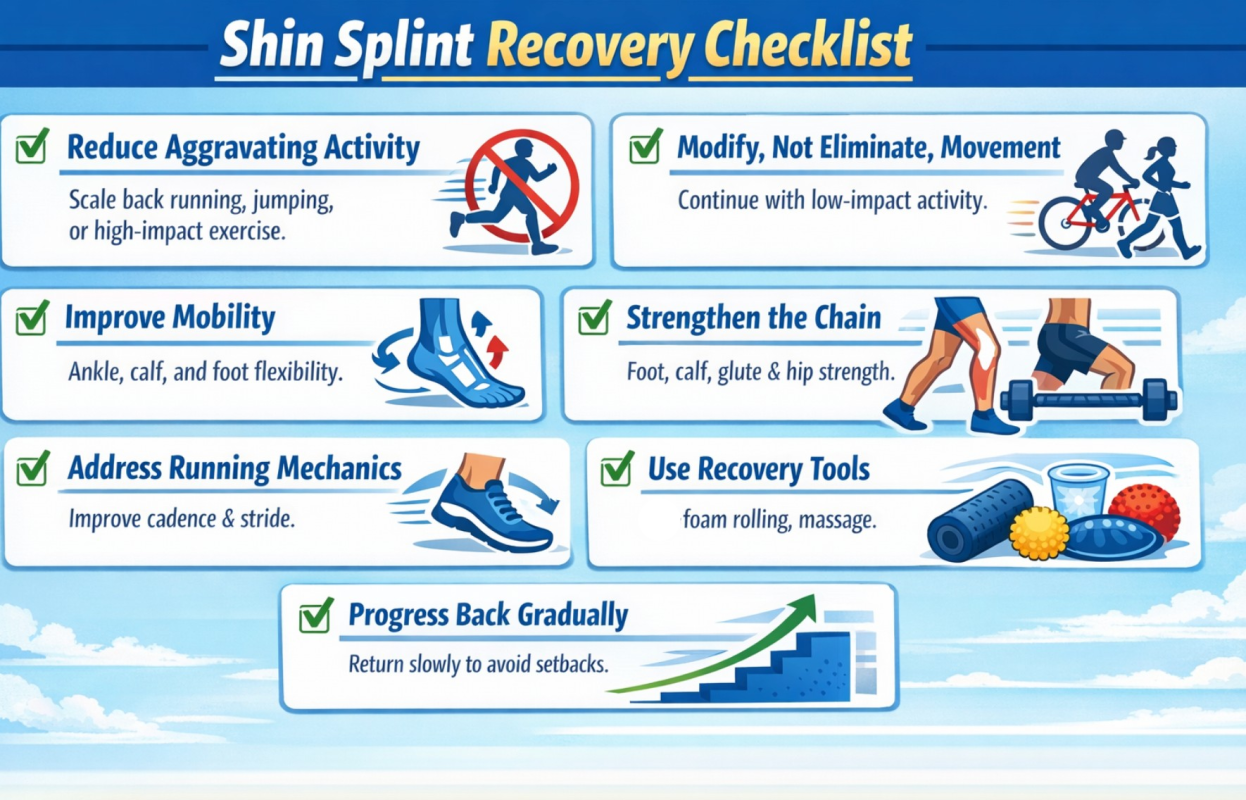
1. Reduce Aggravating Activity
a. You may need to scale back running, jumping, or high-impact exercise temporarily to let the shin calm down.
2. Modify, Not Always Eliminate, Movement
a. Depending on severity, many people can continue with low-impact activity while recovering.
3. Improve Mobility
a. Ankle mobility, calf flexibility, and foot function often need attention.
a. Foot, calf, shin, glute, and hip strength all matter. A weak chain can create repeated stress downstream.
5. Address Running Mechanics
a. Cadence, stride pattern, overstriding, and poor force distribution can all contribute to shin pain.
6. Use Recovery Tools Strategically
a. Recovery should not just be passive. The best results often come from pairing healing with better function.
7. Progress Back Gradually
a. Returning too quickly is one of the biggest reasons shin splints keep coming back.
How Do I Heal Shin Splints?
 How Do I Heal Shin Splints?
 When people ask, how do I heal shin splints, they usually want two things: less pain and a faster, better return to activity.
Healing shin splints usually involves:
- Reducing overload
- Supporting irritated tissue
- Restoring efficient movement patterns
- Rebuilding strength and tolerance
- Returning to impact gradually
The key is not just waiting for pain to disappear. It is helping the body handle stress better so the shin is no longer the weak link.
ARPwave for Shin Splints Recovery
For people looking for a more active recovery strategy, ARPwave may be a valuable option as part of a shin splints recovery plan.
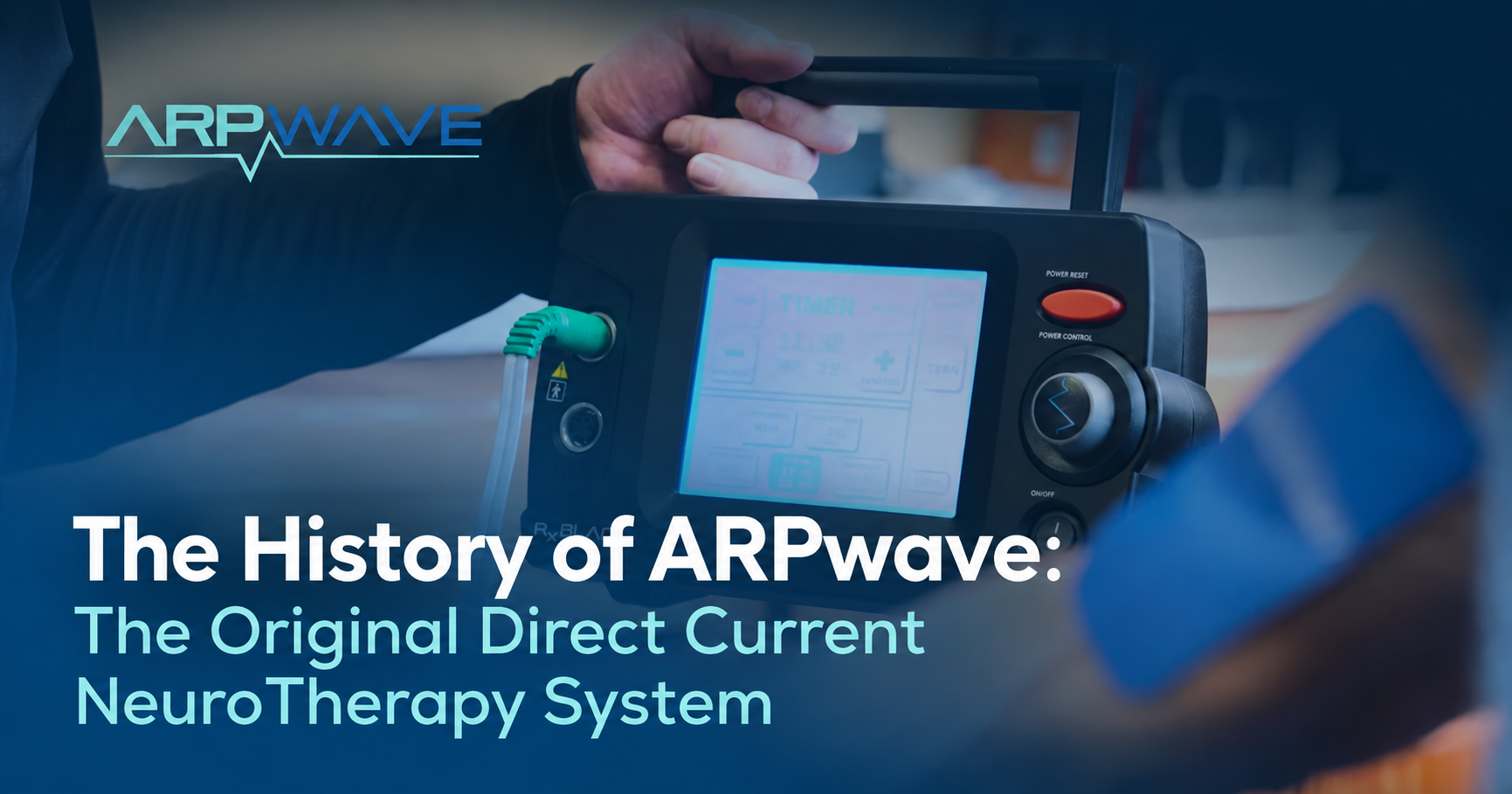
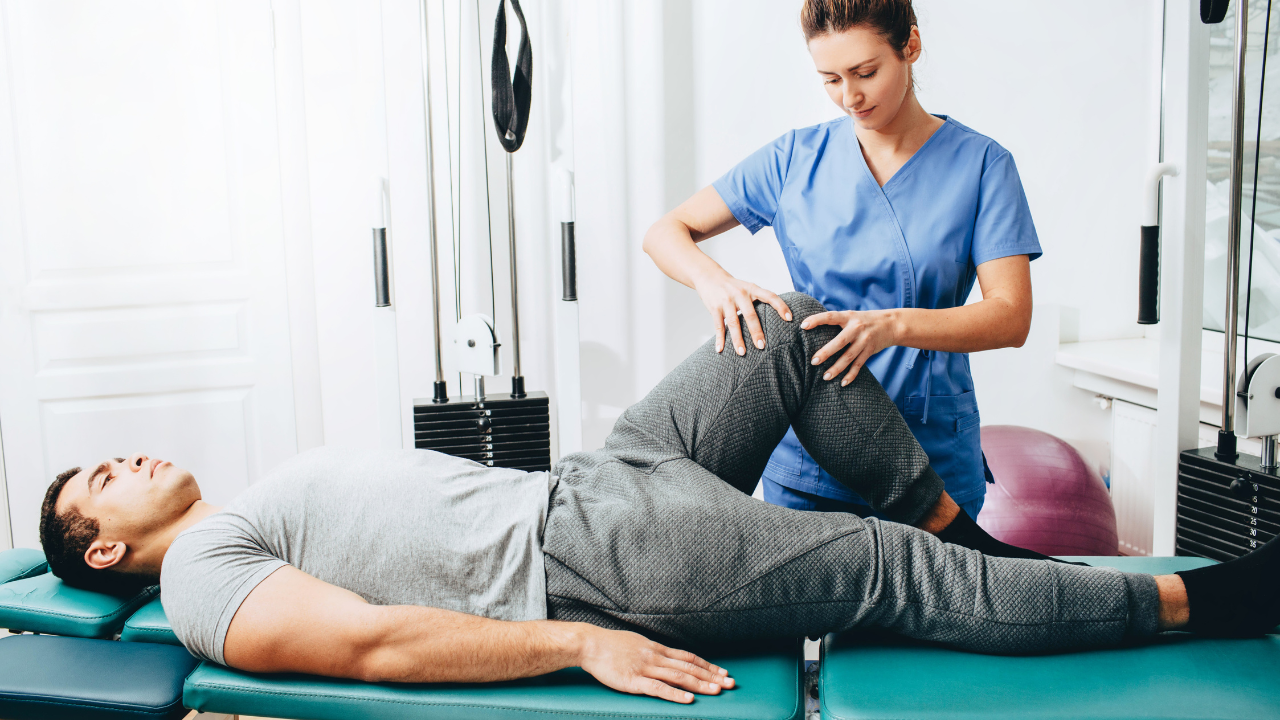
ARPwave is used to support movement-based neuromuscular therapy. Instead of only focusing on symptoms, the goal is often to improve how the body is moving, recruiting, and compensating. In many overuse conditions, including lower leg issues, that matters.
How ARPwave may help with shin splint recovery
1. Supports Active Recovery
Shin splints are often tied to movement dysfunction, not just local irritation. ARPwave can be used during guided movement to help identify and address dysfunctional patterns.
2. Helps Address Compensation
3. Encourages More Time in Recovery
One advantage of in-home use options is the ability to get more recovery work in, including passive and active sessions, rather than relying only on short clinic visits.
4. Drug-Free Recovery Support
Many people want a non-drug option to support healing, movement, and recovery progression.
5. Useful for Return-to-Run Progressions
As symptoms improve, ARPwave may be used alongside strength work, gait retraining, and progressive loading strategies.
Important note
ARPwave should be viewed as part of a broader recovery plan that may include activity modification, mobility work, strength training, and professional guidance when needed.
Shin Pain When Walking or Running: When to Take It Seriously
Not all shin pain should be pushed through.
You should consider a medical evaluation if:
- Pain is sharp and localized
- Pain is getting worse instead of better
- Walking becomes painful
- The shin is tender in one specific spot
- There is swelling
- Pain continues even at rest
- Symptoms are recurring despite rest and recovery efforts
This is especially important because stress reactions and stress fractures can sometimes feel similar early on.
Common Mistakes That Keep Shin Splints From Healing
One of the best ways to recover faster is to avoid the mistakes that keep the cycle going.
1. Only Resting Without Fixing the Cause
a. Rest may calm symptoms, but it does not automatically fix the movement issue behind the problem.
2. Returning Too Fast
a. Many people feel a little better, then jump right back into full training.
3. Ignoring Footwear
a. Old shoes or poor shoe choices can keep stress in the same area.
4. Skipping Strength Work
a. Mobility matters, but strength and load tolerance are just as important.
5. Treating Only the Shin
a. The shin is often where you feel the pain, not always where the problem starts.
6. Chasing Pain Instead of Function
a. Better healing usually happens when recovery also improves how the body moves.
Best Exercises and Strategies for Shin Splint Recovery
A smart shin splints recovery plan often includes:
- Calf mobility work
- Soleus strengthening
- Tibialis strengthening
- Foot intrinsic strength work
- Glute and hip strengthening
- Balance and control drills
- Gait retraining
- Gradual impact reintroduction
These should be progressed based on the person, the severity of symptoms, and how irritated the area is.
Frequently Asked Questions About Shin Splints
What are shin splints?
Shin splints are pain and irritation along the shin, often caused by repetitive stress to the muscles, tendons, and surrounding tissue of the lower leg.
How to get rid of shin splints?
To get rid of shin splints, reduce aggravating activity, improve mobility, strengthen the lower body, address movement mechanics, and follow a gradual return-to-activity plan.
What causes shin splints?
Shin splints are commonly caused by overuse, rapid increases in training, poor recovery, muscle imbalance, footwear issues, and inefficient movement patterns.
How do I heal shin splints?
Healing shin splints usually requires reducing overload, improving function, strengthening the chain, and progressing activity carefully. Recovery tools and therapy like ARPwave may also support the process.
What is causing my shin pain?
Shin pain may come from shin splints, muscle overuse, tendon irritation, stress injury, or other movement-related causes. Persistent or sharp pain should be evaluated professionally.
Why do I have shin pain while running?
Shin pain while running often results from repetitive load, poor mechanics, weak stabilizers, or training progression that outpaces tissue recovery.
Why a Complete Recovery Plan Matters
Too often, people think shin splints are just something to ice, rest, and tolerate until they go away. But if you are constantly dealing with shin pain when walking/running or recurring pain in the front of the shin, there is usually more to the story.
A better plan looks at:
- Tissue irritation
- Movement efficiency
- Strength deficits
- Recovery capacity
- Return-to-sport progression
That is where options like ARPwave may help make recovery more active, more targeted, and more functional.
Final Thoughts: Shin Splints Recovery Is About More Than Rest
If you are dealing with shin splints, the right question is not just how to stop the pain today. It is how to help your body move and recover better so the pain does not keep coming back. Understanding what shin splints are, what causes shin splints, and how to get rid of shin splints is the first step. From there, a smart recovery strategy may include mobility work, strengthening, movement correction, load management, and advanced recovery tools like ARPwave. For athletes, runners, and active people who want a non-drug option that supports healing and function, ARPwave may be worth exploring as part of a complete shin splints recovery plan.
Talk with our team about the right ARPwave system today! Contact us