
ARPwave Resources
Knee Replacement: Recovery Time, Pain Management, What to Expect, and In-Home Recovery Options

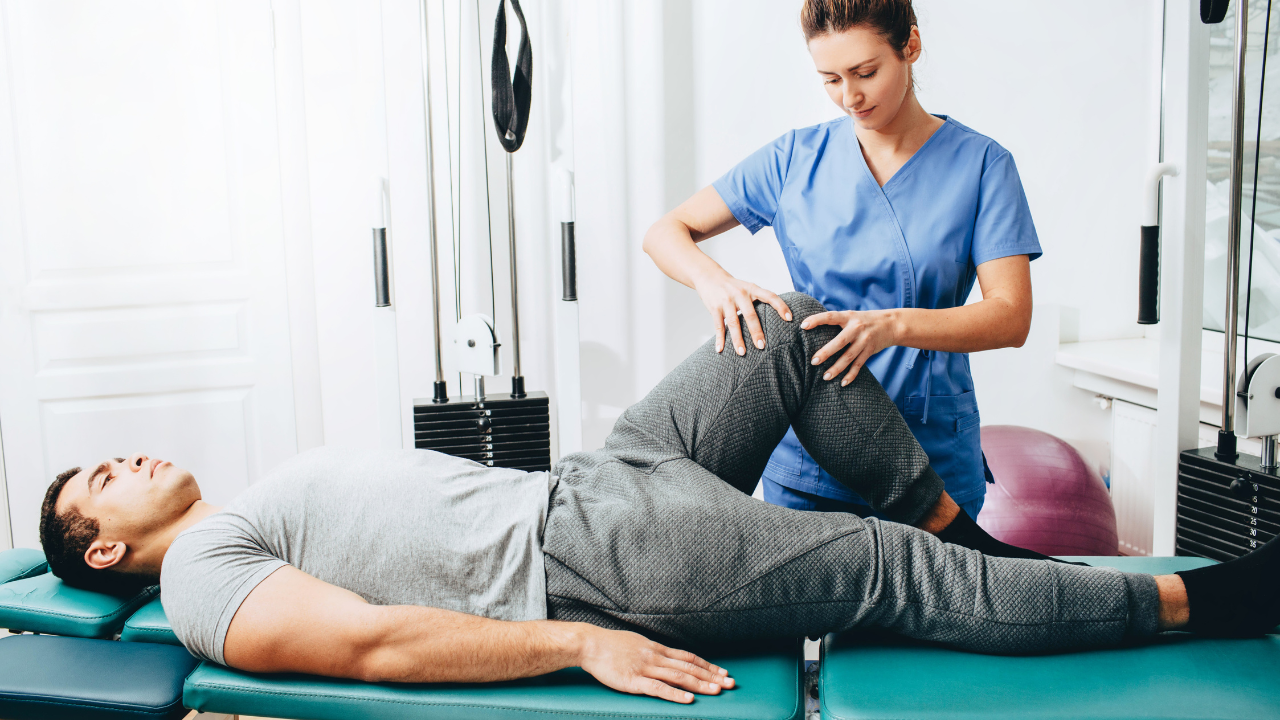
If you are researching knee replacement, you are probably asking a few important questions all at once: What does recovery look like? How painful is it? How long does it take to get back to normal? What can be done at home to improve outcomes? And are there options to support recovery without relying only on medication?
For patients dealing with severe knee pain, arthritis, or loss of function, knee replacement surgery can be a major step toward getting life back. Total knee replacement surgery is designed to reduce pain, improve movement, and restore function when more conservative treatments are no longer enough. But surgery is only part of the process. What happens after surgery matters just as much.
A successful outcome depends on the full recovery plan: pain management, range of motion, muscle activation, walking, movement quality, and consistency at home. That is why patients are increasingly focused not only on the procedure itself, but also on KR recovery time, what to expect after surgery, and how to make in-home recovery more effective.
For some patients, that also includes exploring supportive recovery tools like ARPwave as part of a broader post-op strategy. ARPwave may offer an option for passive and active recovery at home, helping patients spend more time working on movement, function, and recovery without relying only on drugs.
 What is Knee Replacement?
 What is Knee Replacement?
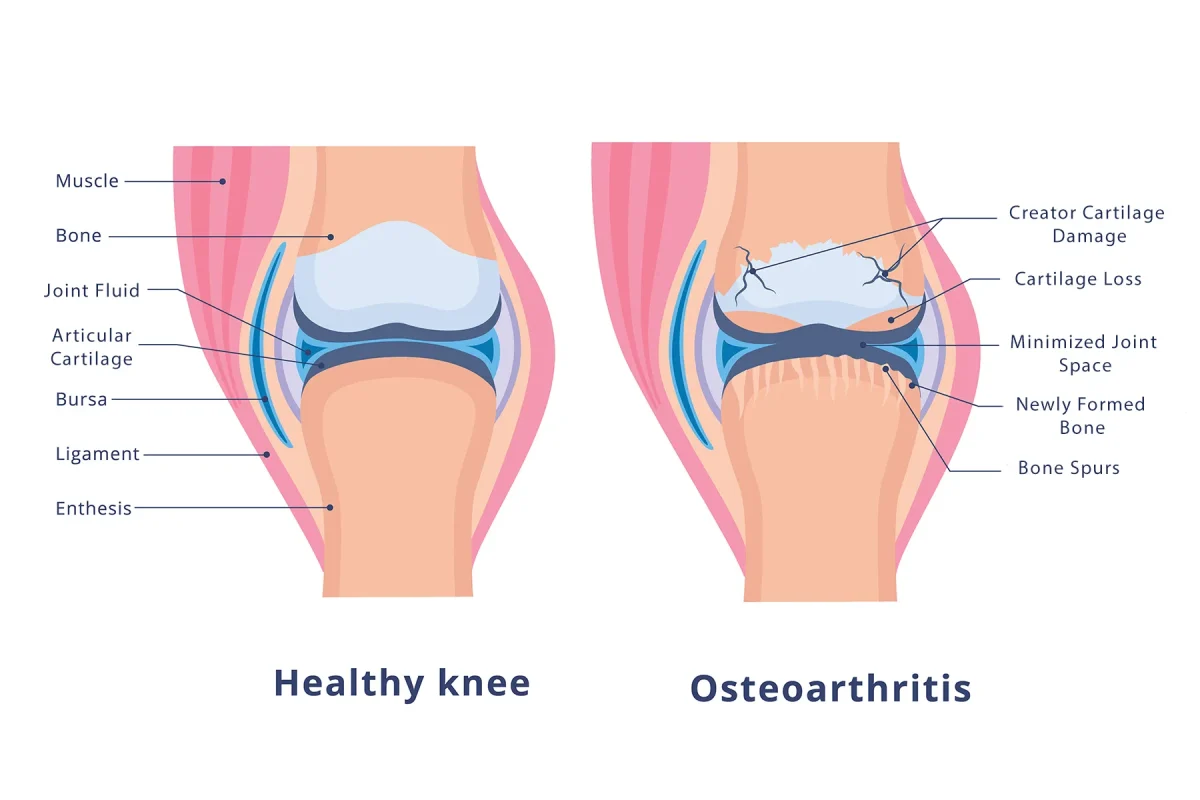
A knee replacement is a procedure in which the damaged surfaces of the knee joint are replaced with artificial components. It is most often recommended when joint damage, commonly from arthritis or degeneration, is causing ongoing pain, stiffness, and loss of function that no longer responds well to other forms of treatment.
In total knee replacement surgery, the surgeon replaces the damaged surfaces of the femur, tibia, and sometimes part of the kneecap. The goal is to create a smoother joint surface, reduce pain, and improve the patient’s ability to move and function more comfortably.
For many patients, the real goal is not just reducing pain. It is walking better, climbing stairs more confidently, sleeping more comfortably, and getting back to a more normal life.
What to Expect with Knee Replacement
When patients ask what to expect with knee replacement, the answer starts with understanding that recovery begins immediately.
After knee replacement surgery, patients typically begin movement very early. Walking, range-of-motion work, and rehabilitation usually start shortly after the procedure. Depending on the case, some patients go home the same day, while others stay briefly before continuing recovery at home.
The first phase of recovery often includes:
- managing swelling and discomfort
- beginning walking and movement progression
- restoring range of motion
- re-engaging muscles around the knee and hip
- rebuilding confidence with standing, walking, and daily activity
- following a structured home and therapy plan
Patients often underestimate how important the home portion of recovery is. Surgery may replace the joint, but recovery is what restores function.
How Long Does Knee Replacement Surgery Take?
One of the most common questions is: how long does knee replacement surgery take?
In most cases, the procedure itself takes around two hours, although the total time at the hospital or surgical center is longer due to preparation, anesthesia, recovery room time, and early post-op monitoring.
The surgery is important, but from the patient’s perspective, the bigger question is usually not just how long the procedure takes. It is how long recovery takes and what can be done to improve it.
Knee Replacement Recovery Time: How Long Does Recovery Take?
Knee replacement recovery time varies from person to person. Some patients are up and walking very quickly, while others take longer to regain mobility, strength, and confidence. Recovery is not one single event. It happens in phases.
Early progress often focuses on:
- swelling reduction
- pain control
- regaining range of motion
- improving walking mechanics
- beginning muscle activation and strengthening
Over the following weeks and months, the focus shifts toward:
- more normal gait patterns
- better endurance
- improved balance and coordination
- more comfortable daily activity
- rebuilding strength and function
This is why patients should think about recovery as a process rather than a deadline. A patient may be walking early, but still working through stiffness, weakness, swelling, or compensation patterns for much longer.
How Long Does a Knee Replacement Last?
Another major patient question is: how long does a knee replacement last?
A knee replacement is built to be durable, but longevity depends on many factors, including the patient’s age, activity level, body weight, overall health, implant choice, and how well the joint is protected over time.
For most patients, the expectation is that a well-done knee replacement can last many years. That is one reason the recovery process matters so much. The better a patient moves, loads the joint, and restores function, the better the long-term outcome is likely to be.
Managing Knee Replacement Pain
Managing knee replacement pain is one of the biggest concerns patients have before and after surgery. Pain can affect sleep, movement, motivation, and participation in rehabilitation. It can also create fear around movement, which is often the exact thing that needs to be addressed during recovery.
Pain management after knee replacement surgery usually involves a combination of approaches, which may include:
- physician-directed medications
- swelling control
- movement and walking progression
- therapy and exercise
- muscle activation work
- activity pacing
- recovery tools used at home when appropriate
The goal should not be to simply numb everything and wait. The goal is to manage pain in a way that still allows for progress in movement and recovery.
This is where patients often begin asking about non-drug support options as well. Many want to know whether they can support healing and function without relying entirely on medication.
In-Home Recovery Options After Total Knee Replacement Surgery
In-home recovery is where a large part of the outcome is shaped. Once the patient leaves the facility, success depends on consistency.
In-home recovery options after total knee replacement surgery may include:
- home exercise programs
- walking progressions
- physical therapy
- compression, icing, or swelling support strategies
- mobility drills
- muscle activation work
- tools that support passive and active recovery at home
The more consistently a patient can work on recovery between therapy visits, the better the chances of maintaining momentum.
That matters because a lot of patients do not fail because the surgery failed. They struggle because recovery becomes too passive, too inconsistent, too painful, or too dependent on short bursts of treatment without enough support at home.
How ARPwave May Support Knee Replacement Recovery at Home
ARPwave can be discussed as an option for patients who want to support their recovery at home with more passive and active recovery time.
Based on ARPwave’s case article, Full Range of Motion and Pain-Free 2 Weeks After Total Joint Knee Replacement, the therapy is presented as a way to help support:
- recovery at home
- active movement
- passive recovery
- muscle activation
- range of motion
- compensation reduction
- more time spent working on recovery without relying only on drugs
One of the biggest advantages in this type of model is time. Recovery is not only about what happens in a clinic for a short session. It is also about what the patient can do repeatedly and consistently throughout the day at home.
ARPwave is often appealing to patients looking for:
- accelerated recovery support
- more recovery time outside the clinic
- non-drug pain management support
- active and passive treatment options
- more engagement in the recovery process
This is especially important after knee replacement, where stiffness, guarding, swelling, altered gait mechanics, and muscle inhibition can all slow the return to normal movement.
ARPwave should be presented as part of a broader recovery plan, not as a replacement for surgeon guidance, rehab protocols, wound care, or standard post-op monitoring. But it is a valuable in-home option that helps bridge the gap between surgery and functional recovery.
Reference article: Full Range of Motion and Pain-Free 2 Weeks After Total Joint Knee Replacement
Top 5 Mistakes After Knee Replacement
If patients are searching top 5 mistakes after knee replacement, they are usually trying to avoid setbacks. Here are five of the biggest mistakes that can slow recovery.
1. Not moving enough
Many patients become overly cautious because of pain or fear. While recovery should be guided and safe, too little movement can contribute to stiffness, weakness, and slower progress.
2. Doing too much too soon
The opposite mistake is pushing too hard, too early. Overloading the knee too quickly can increase swelling, irritation, and discomfort, making recovery harder instead of faster.
3. Ignoring swelling and compensation
Swelling, limping, and altered movement patterns matter. If they are not addressed, patients may build poor mechanics into the recovery process.
4. Skipping the home recovery plan
The home program is a major part of success. Patients who only work on recovery during occasional appointments often lose momentum between visits.
5. Relying only on medication
Medication may help manage symptoms, but it does not replace movement, muscle activation, walking, and structured rehabilitation. The most effective recovery plans usually involve more than pain relief alone.
Insurance and Knee Replacement
When patients ask about insurance and knee replacement, they are usually concerned with more than the surgery itself. They also want to know about therapy, follow-up care, home equipment, and recovery support.
Coverage varies by insurance plan, but patients should ask specifically about:
- surgery coverage
- outpatient vs inpatient billing
- physical therapy benefits
- home health benefits if needed
- durable medical equipment
- post-op follow-up care
- any approved recovery devices or treatment support used at home
It is always worth verifying benefits before surgery so there are no surprises during recovery.
Knee Replacement Surgery Video
If you want to include a knee replacement surgery video link on the page, use this YouTube resource:
ARPwave & Total Knee Arthroplasty: Right Knee
This helps support both the keyword target and the user experience by giving readers a related visual resource.
Final Thoughts on Knee Replacement Recovery
Knee replacement can be a powerful procedure for patients living with chronic pain, joint degeneration, and reduced quality of life. But the procedure is only one piece of the equation. Knee replacement surgery and total knee replacement surgery are most successful when they are followed by a strong recovery plan focused on pain management, movement, function, and consistency at home.
Patients who understand what to expect with knee replacement, take KR recovery time seriously, and stay committed to the process usually give themselves the best chance at a strong outcome.
For patients interested in additional support, ARPwave may be worth discussing as an in-home recovery option that supports passive and active recovery, helps expand recovery time at home, and may provide a way to pursue more accelerated progress without relying only on drugs.
The biggest takeaway is simple: successful recovery is not just about getting through surgery. It is about restoring movement, function, and confidence afterward.
FAQ Section
How long does a knee replacement last?
A knee replacement is designed to last many years, but longevity depends on factors like activity level, body weight, movement quality, and overall joint loading over time.
How long does knee replacement surgery take?
In most cases, knee replacement surgery takes around two hours, although total hospital time is longer due to prep and recovery.
What is normal knee replacement recovery time?
Knee replacement recovery time varies by patient, but recovery usually happens in phases, with early walking and movement beginning quickly and progress continuing over weeks and months.
What should I expect with knee replacement?
You should expect early movement, swelling management, walking progression, range-of-motion work, strengthening, and a consistent home recovery plan.
What are the top 5 mistakes after knee replacement?
The biggest mistakes are not moving enough, doing too much too soon, ignoring swelling and compensation, skipping the home recovery plan, and relying only on medication.
How do you manage knee replacement pain?
Managing knee replacement pain usually involves a combination of medication, swelling control, movement, rehabilitation, and structured recovery support.
Does insurance cover knee replacement?
Insurance coverage varies by plan, so patients should verify surgery coverage, therapy benefits, home equipment coverage, and post-op care before the procedure.
Can ARPwave help with knee replacement recovery?
ARPwave may be used as part of a broader recovery strategy to support passive and active recovery at home, improve consistency, and help patients spend more time working on recovery without relying only on drugs.
Talk with our team about the right ARPwave system today! Contact us