
ARPwave Resources
How ARPwave Therapy Helps Prevent Old Injuries from Coming Back

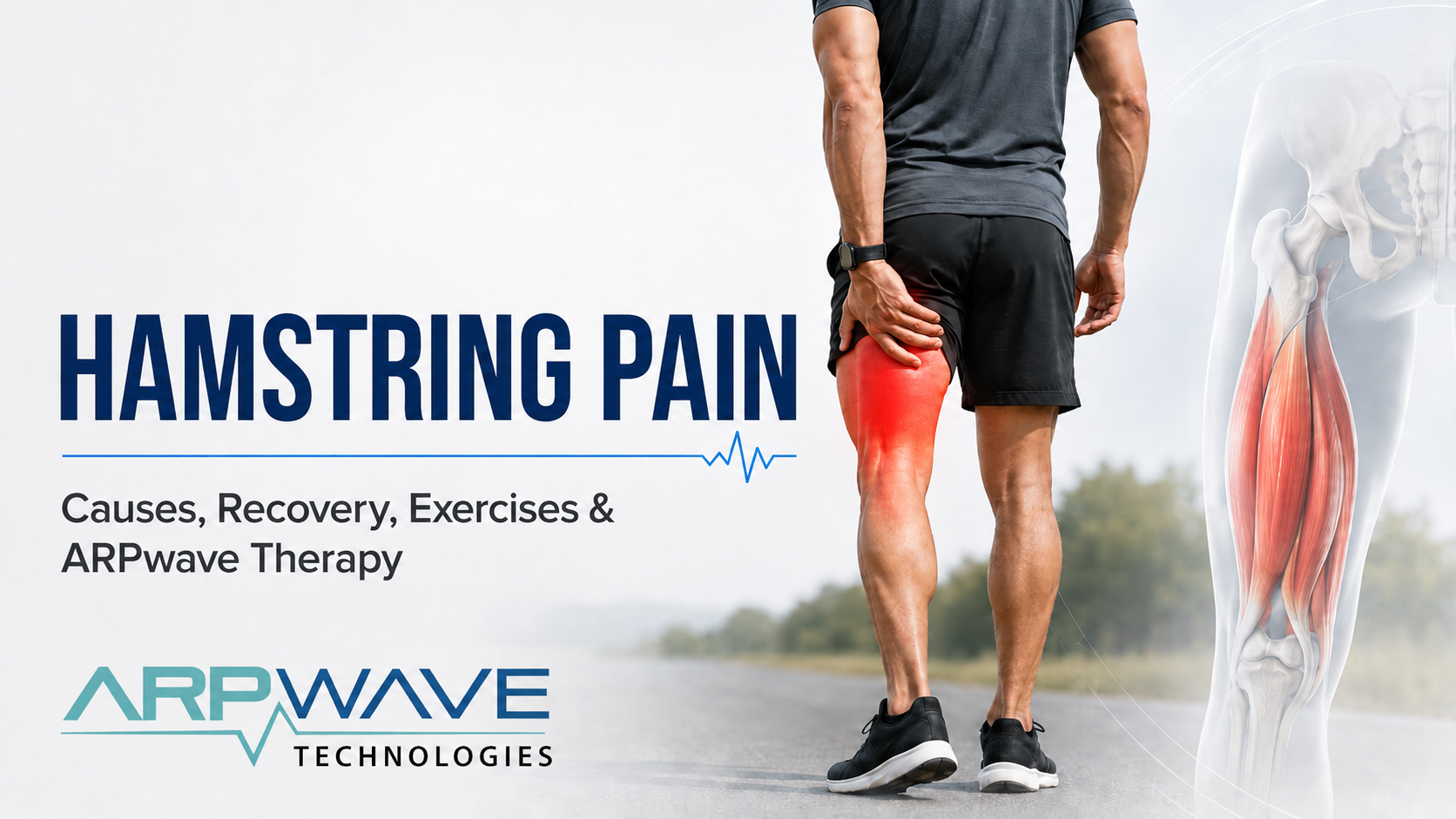
Old injuries have a frustrating way of resurfacing at the worst possible times. Whether it’s a lingering hamstring strain, a recurring shoulder issue, or chronic back pain, many people find that even after rest and traditional rehabilitation, the problem never fully goes away. The reason is simple: most treatments address the symptoms, but not the underlying cause. ARPwave therapy takes a different approach—one focused on correcting dysfunction at its source to help prevent old injuries from returning.
Why Old Injuries Keep Coming Back
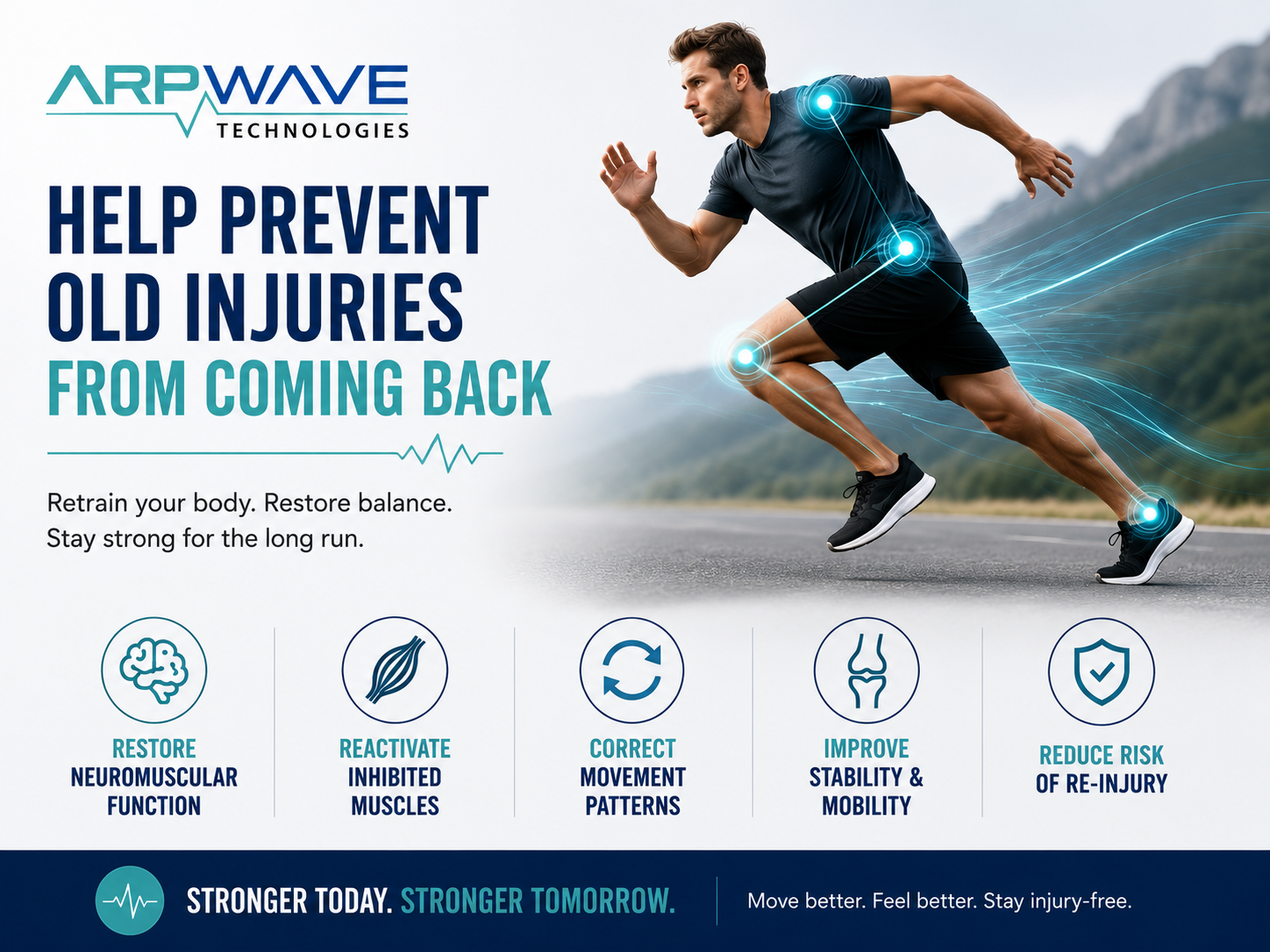
At the core of ARPwave therapy is the idea that injuries don’t just affect muscles and tissues—they disrupt communication between the brain and the body. After trauma, the nervous system often adapts by creating compensatory movement patterns. These patterns allow the body to function despite the injury, but they are rarely efficient or balanced. Over time, they can place excessive stress on certain muscles and joints, setting the stage for re-injury.
How ARPwave Therapy Restores Neuromuscular Function
ARPwave therapy works to identify and correct these dysfunctional patterns. Using targeted electrical stimulation combined with active movement, it helps retrain the body to move the way it was designed to. This process reinforces correct movement patterns while reducing reliance on compensations that may have developed after the original injury. By restoring proper neuromuscular coordination, ARPwave addresses one of the key reasons old injuries tend to come back.
Reactivating Inhibited Muscles After Injury
Another major factor in recurring injuries is muscle inhibition. After an injury, certain muscles can become “shut down” or underactive, even after the pain subsides. When these muscles fail to engage properly, other muscles are forced to pick up the slack. This imbalance can lead to overuse, fatigue, and eventually another injury. ARPwave therapy helps reactivate these inhibited muscles, ensuring that the right muscles are doing the right work at the right time. This improved muscle activation creates a more balanced and resilient body.
Scar Tissue, Mobility, and Re-Injury Risk
Scar tissue is another common contributor to recurring issues. When the body heals after an injury, it often forms scar tissue that is less flexible and more restrictive than healthy tissue. This can lead to stiffness, reduced mobility, and altered movement patterns. ARPwave therapy helps break down these restrictions by increasing blood flow and stimulating the affected areas during movement. Over time, this can improve tissue quality and restore a more natural range of motion, reducing the likelihood of reinjury.
How ARPwave Helps Reduce Pain and Improve Movement
In addition to addressing physical limitations, ARPwave also helps recalibrate the body’s perception of pain. Many people continue to experience discomfort, tightness, or even numbness and tingling long after an injury has technically healed. These sensations can cause individuals to move cautiously or avoid certain movements altogether, reinforcing poor patterns. By normalizing nerve signaling and reducing pain, ARPwave allows patients to move more confidently and naturally, which is essential for long-term recovery.
Active Recovery vs. Passive Treatment
Consistency and active participation are key components of ARPwave therapy. Unlike passive treatments, ARPwave requires patients to move through exercises while receiving stimulation. This active approach helps “lock in” new, healthier movement patterns so they carry over into daily life and physical activity. The result is not just temporary improvement, but lasting change in how the body functions.
ARPwave Therapy for Long-Term Injury Prevention
Another advantage of ARPwave is its ability to support ongoing performance and injury prevention. By improving strength, coordination, and mobility, it creates a more stable and adaptable system. This is particularly important for athletes and active individuals who place repeated demands on their bodies. When movement is efficient and muscles are properly activated, the risk of re-injury decreases significantly.
Final Thoughts on Preventing Recurring Injuries
In summary, ARPwave therapy helps prevent old injuries from coming back by addressing the root causes of dysfunction rather than just the symptoms. It restores proper communication between the brain and muscles, corrects faulty movement patterns, reactivates inhibited muscles, and improves tissue quality. Through this comprehensive approach, ARPwave not only helps the body heal—but also equips it to stay healthy, resilient, and injury-free over the long term.