
ARPwave Resources
Regenerative Medicine and ARPwave | Healing, Function, and Performance

Regenerative Medicine: What It Is, How It Supports Healing, and How ARPwave Complements Recovery
What Is Regenerative Medicine?
Regenerative medicine is a field of healthcare focused on restoring, repairing, or replacing damaged tissue and helping the body recover more effectively. While many traditional treatment models concentrate on symptom management, regenerative medicine is centered on supporting better healing and better long-term function.
For patients and providers researching what regenerative medicine is, the clearest answer is this: it is an approach designed to help the body recover from injury, degeneration, disease, or chronic wear in a more restorative way. The goal is not only to reduce symptoms, but to improve the quality of healing and the quality of recovery.
That is why regenerative medicine continues to gain traction across orthopedics, sports medicine, and rehabilitation. Patients want more than temporary relief. They want care that helps them heal, move, and perform with greater confidence.
How Does Regenerative Medicine Work?
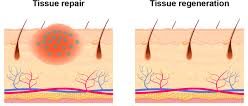
Regenerative medicine works by supporting the body’s repair processes and helping create a stronger environment for recovery. Depending on the condition and treatment plan, that may involve improving tissue healing, influencing local signaling, supporting matrix repair, or helping the body adapt more effectively after injury or degeneration.
At a broad scientific level, regenerative strategies are often discussed in terms of cell signaling, growth factors, tissue remodeling, inflammation modulation, vascular support, and mechanical loading. In practice, the goal is to improve the conditions that allow tissue to recover and function more effectively.
However, recovery is rarely just structural. A patient may show improved tissue quality, less irritation, or better imaging findings and still struggle with weakness, inhibition, guarding, or poor movement confidence. Real recovery has to include both healing and function.
What Is the Main Use of Regenerative Medicine?
The main use of regenerative medicine is to help restore damaged tissue and improve function. It is commonly explored in cases involving orthopedic injuries, tendon and ligament stress, joint degeneration, cartilage issues, overuse conditions, and recovery after procedures.
For many patients, the value of regenerative medicine is that it moves the conversation beyond short-term symptom control. It focuses on recovery that is intended to be more durable, more restorative, and more connected to how the body actually performs in daily life.
Regenerative Orthopedics and Sports Medicine
One of the fastest-growing areas in this space is regenerative orthopedics and sports medicine. Athletes and active patients do not just want less pain. They want better movement, stronger loading patterns, improved resilience, and confidence when they return to activity.
That is why regenerative care has become such an important part of modern orthopedic and sports recovery. Tissue healing is essential, but patients ultimately live in motion. Their outcome is measured by whether they can walk, train, lift, rotate, cut, throw, and move without feeling limited by the area that once broke down.
The Science Behind Regenerative Therapy
Regenerative therapy is an umbrella term often used for approaches intended to support repair, restoration, and recovery. The science is usually framed around how tissues respond to biologic signals, how inflammation is regulated, how extracellular matrix remodeling occurs, and how mechanical forces shape adaptation during recovery.
In musculoskeletal care, biologic healing does not happen in isolation. The healing environment is influenced by load, blood flow, innervation, tissue quality, and the patient’s ability to move without excessive guarding or compensation. That is why regenerative medicine is often strongest when it is paired with thoughtful rehabilitation and functional retraining.
Common Examples in the Regenerative Medicine Conversation
Platelet-Rich Plasma (PRP)
Platelet-rich plasma, or PRP, is one of the most commonly discussed orthobiologic examples in regenerative medicine. PRP is created from the patient’s own blood and concentrates platelets that contain growth factors and signaling molecules involved in tissue repair. In orthopedic settings, PRP is often discussed in relation to tendon, ligament, muscle, and joint applications.
From an SEO standpoint, PRP is worth mentioning because patients frequently search broad regenerative medicine terms and then refine into more specific topics such as PRP for tendon injuries, PRP for knees, or PRP in sports medicine.
Stem Cell-Based Approaches
Stem cell-based approaches are frequently associated with regenerative medicine because of their potential role in repair, differentiation, and tissue support. In public-facing copy, this topic should be handled carefully. It is appropriate to describe stem cell therapy as an important and evolving area of regenerative medicine, while avoiding broad claims that outpace the evidence or regulatory status of specific products.
For website copy, the safest framing is that stem cell-based therapies are part of the broader regenerative medicine conversation and are often discussed for their potential to support tissue healing, signaling, and recovery in select contexts.
Exosomes
Exosomes are extracellular vesicles involved in intercellular communication. They are often discussed in regenerative medicine because they may carry proteins, lipids, and signaling molecules that influence cellular behavior. They are also one of the most searched emerging topics in this space.
For SEO and compliance, exosomes should be described as an emerging and heavily researched category, not as a universally established solution. That keeps the page informative without overstating clinical certainty.
Peptides
Peptides are also increasingly linked to regenerative therapy discussions because certain peptide compounds are being studied for their potential role in signaling, tissue repair, recovery, and inflammation-related pathways. They are especially common in patient search behavior because of interest in performance, recovery, and non-surgical options.
As with exosomes and stem cell-based therapies, peptides should be positioned carefully. They belong in the broader regenerative medicine conversation, but website copy should avoid promising specific outcomes without strong clinical and regulatory support.
Why Healing Alone Is Not Always the End Goal
One of the most important realities in recovery is that healing does not automatically equal function. A patient can show progress biologically and still feel weak, disconnected, guarded, or unstable. That gap between tissue recovery and functional return is where many providers and patients continue to struggle.
In other words, improved healing on paper does not always translate into real-world performance. That is especially true when the nervous system is still protecting the area, movement quality has changed, or compensatory patterns remain in place.
How ARPwave Complements Regenerative Medicine
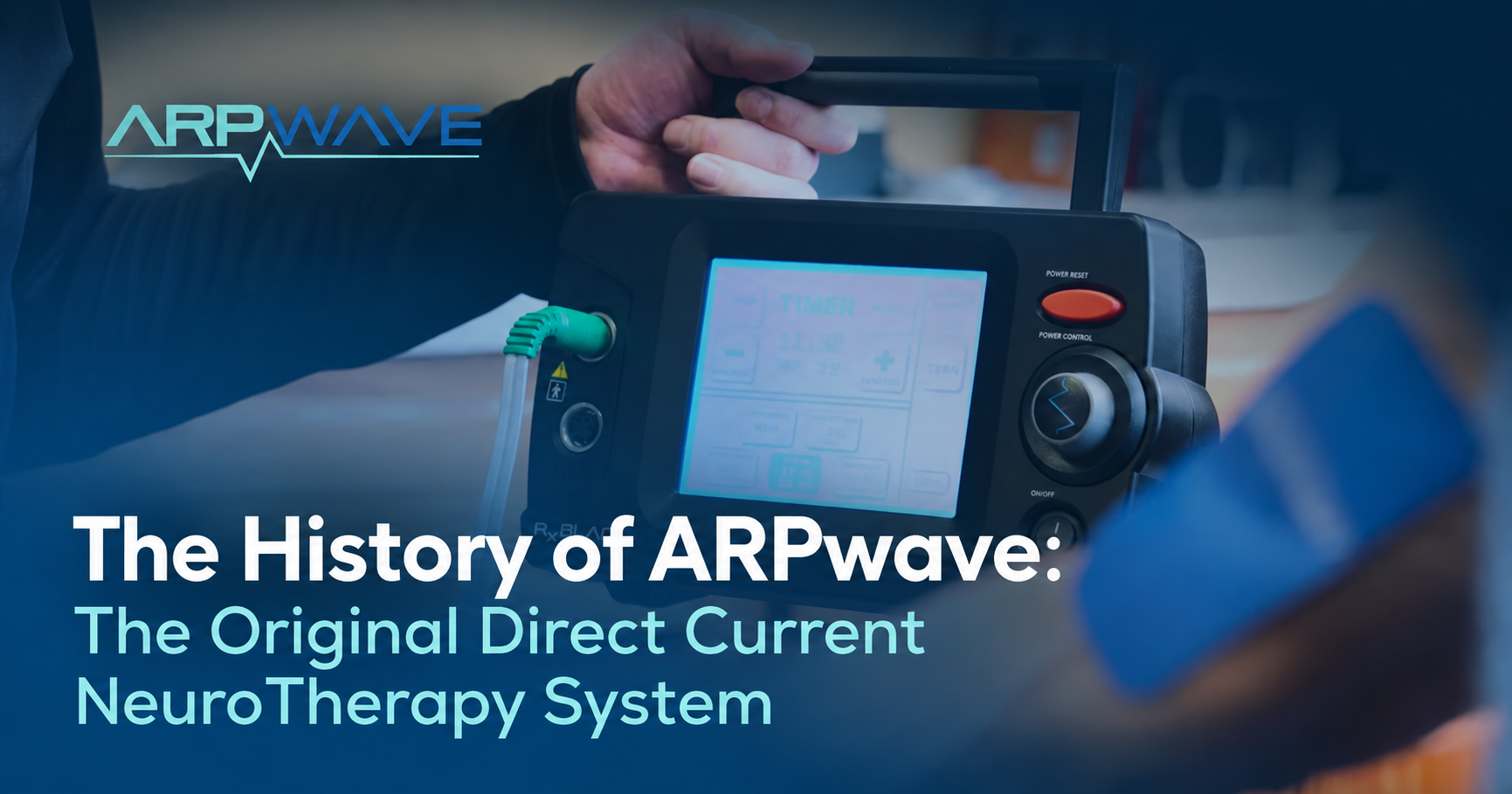
ARPwave complements regenerative medicine by helping address the neuromuscular and functional side of recovery. Regenerative medicine may help improve the biology of healing, but patients often still need support restoring recruitment, movement quality, coordination, and confidence before that healing fully carries over into daily life or sport.
That is where ARPwave fits. It should not be positioned as a replacement for regenerative medicine, rehabilitation, or strength work. It is best understood as a complementary therapy system that helps bridge the space between healing tissue and restored function.
The ARPwave approach is built around neuro-efficiency, therapy, and strength. In practice, that means helping identify stressed tissue, improving recruitment, guiding cleaner movement patterns, and then building strength on a better functional foundation. For providers working in regenerative orthopedics and sports medicine, that positioning is important because it connects healing to real movement outcomes.
Why the Bioelectric Side of Recovery Matters
The body is bioelectric by design. Cells depend on charge gradients, muscles contract through electrical input, and the nervous system organizes movement through electrical signaling. When injury disrupts that environment, structure is not the only thing that changes. Communication changes too.
This is one reason ARPwave belongs in the regenerative medicine conversation. If recovery is chemical, structural, and electrical, then treatment strategies should account for those realities. ARPwave’s role is to help improve communication, activation, and carryover into function so better healing has a better chance to become better movement.
Why Integrated Care Is the Future of Recovery
The strongest message for this page is integrated care. Regenerative medicine can support the healing side of the equation. ARPwave can support the transition from healing into movement, confidence, and performance. Together, that creates a more complete recovery story for both providers and patients.
The future of recovery will belong to providers who connect tissue healing, nervous system restoration, movement quality, strength, and performance into one strategy. Healing matters. Function matters too. The best outcomes happen when both are addressed.
Conclusion
Regenerative medicine is changing how patients and providers think about healing. It is helping shift the focus from short-term management toward more restorative, long-term recovery. ARPwave complements that conversation by helping address the functional side of recovery, where communication, movement, confidence, and performance all matter.
For patients, that means a more complete path back to activity. For providers, it creates a stronger framework for connecting healing with outcome.
FAQ Quick Hits
What is regenerative medicine?
Regenerative medicine is a field focused on restoring, repairing, or replacing damaged tissue and helping the body recover more effectively.
How does regenerative medicine work?
It works by supporting the body’s repair environment through biologic signaling, tissue remodeling, and recovery-focused strategies intended to improve healing and function.
What is the main use of regenerative medicine?
Its main use is to help restore damaged tissue and improve function, especially in orthopedic, sports medicine, and recovery settings.
What is regenerative therapy?
Regenerative therapy is a broad term for treatment strategies designed to support healing, restoration, and improved long-term recovery.
What is regenerative orthopedics and sports medicine?
It refers to the use of restorative and biologically focused care strategies in orthopedic and sports injury settings, often alongside rehabilitation and performance recovery.
How does ARPwave complement regenerative medicine?
ARPwave complements regenerative medicine by helping improve neuro-communication, recruitment, movement quality, and functional carryover after healing has begun.
Does ARPwave replace regenerative procedures or rehabilitation?
No. ARPwave should be positioned as a complementary therapy system, not a replacement for regenerative procedures, rehab, or strength work.