
ARPwave Resources
The Guide to ARPwave Device Rentals and In-Home vs. In-Office Therapy

Whether you were referred to ARPwave by a friend, family member, coach, or healthcare provider, or are simply curious about the technology, you may be unsure of the best way to begin.
For individuals seeking to accelerate recovery, complete rehab at home, explore home health physical therapy, or find a flexible alternative to traditional in-office care, ARPwave provides options tailored to your condition, goals, experience, and desired level of professional support.
Virtual therapy and home device rentals help reduce geographic barriers, while ARPwave providers and therapy locations throughout the United States offer in-person care for those who prefer an in-office setting.
This guide will help you determine whether in-home or in-office therapy is right for you, which ARPwave device best fits your needs, how much professional guidance may be beneficial, and what to expect throughout the process.
Step 1: Choosing Between In-Home and In-Office Therapy
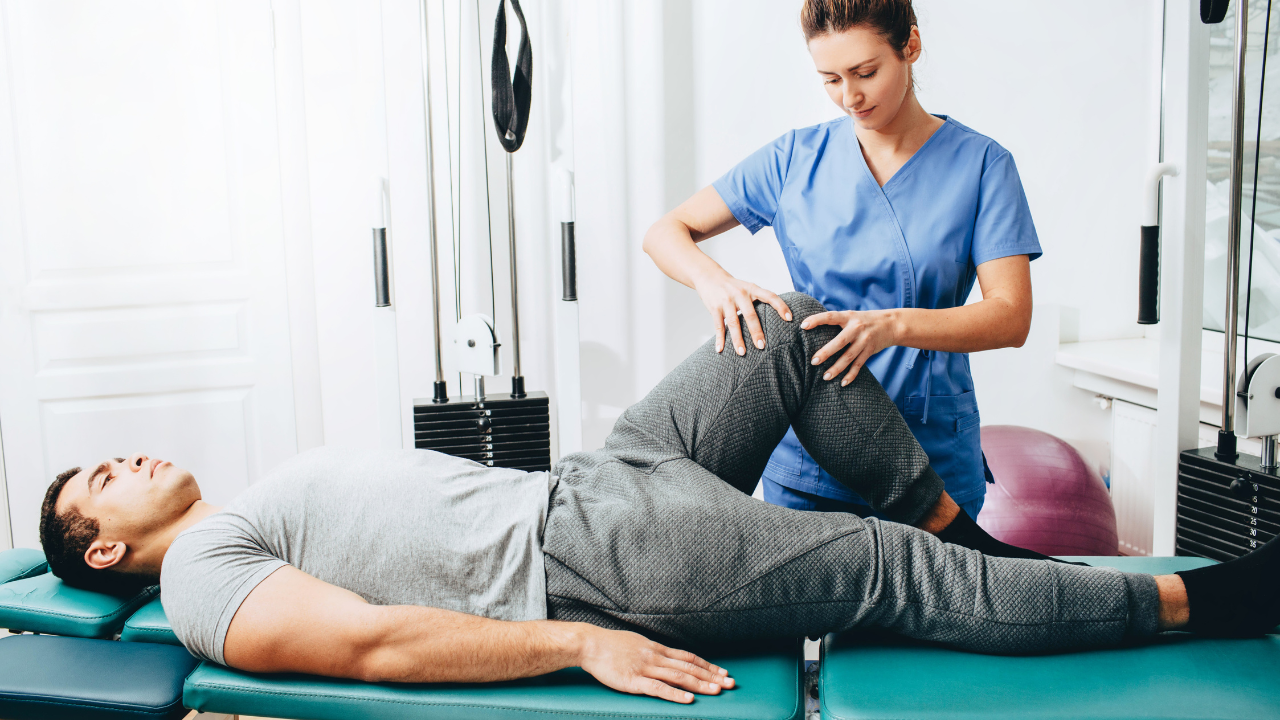
In-office therapy provides hands-on support and may be the best place to start if you need assistance with electrode placement, have limited mobility, or prefer closer professional supervision.
In-home therapy offers greater flexibility in scheduling, allowing you to complete therapy when and where it works best for your schedule. ARPwave also offers virtual home health physical therapy. This allows you to work remotely with an ARPwave therapy professional while using the device in your own home.
With either option, having a unit at home gives you access and the ability to utilize NeuroRecovery after your sessions or, when recommended, overnight. This allows you to support recovery by harnessing the Background waveform, which helps with circulation and relaxation after active sessions.
Many people begin with supported therapy options, either in-office or in-home, and once they are comfortable with the device and process, transition into a purchase or rental option.
New Injury or Post-Surgery Recovery
An in-home rental may be an ideal short-term solution if you are recovering from a recent joint sprain, muscle strain, meniscus surgery, ACL surgery, seasonal sports injury, or persistent back pain.
Renting monthly gives you consistent access to the therapy rather than limiting your program to scheduled office visits. You can follow your recommended program more consistently and use the device when it best fits your routine.
Chronic Conditions, Long-Term Needs, Lifestyle, and Performance
For individuals managing symptoms associated with chronic conditions or long-term diagnoses, consistent access to therapy may be especially valuable. Renting or purchasing an ARPwave device provides the flexibility to incorporate the program into your normal routine while evaluating how well it supports your ongoing needs and goals.
Professional athletes may use ARPwave to support preparation, recovery, performance, and career longevity, but the technology is not reserved for elite sports. The appropriate application depends on your health, needs, and goals, not your age or athletic status.
ARPwave may also be appropriate for:
- Individuals managing neuropathy, fibromyalgia, multiple sclerosis, post-stroke dysfunction, or other ongoing needs
- Recreational, competitive, collegiate, and professional athletes
- Active adults and those returning to exercise
- Older adults seeking to maintain strength, mobility, and independence
- Families with multiple active members or varying therapy and performance goals
- Individuals focused on preparation, recovery, injury prevention, and long-term physical function
Having an ARPwave device at home allows you to use the program within your everyday environment and on a schedule that works for you. It also provides time to determine whether ARPwave should become a longer-term part of your care, recovery, mobility, or performance plan.
Flexible rental and financing options make it easier to begin with a shorter-term commitment and transition to ownership when the time is right.
Can Seniors and Children Use ARPwave?
ARPwave therapy has been used with clients ranging in age from 3 to 103. Age alone is not necessarily a limiting factor. More important considerations include the individual’s ability to understand the application, follow instructions, communicate clearly, provide accurate feedback during therapy, and use the device safely with the appropriate level of supervision or assistance.
The individual’s medical history, diagnosis, physical abilities, mobility, balance, skin sensitivity, sensation, communication skills, and intended application should also be carefully considered when determining whether ARPwave is appropriate.
Whether the client is a child or an older adult, protocols should be tailored to the individual rather than applied solely based on age. Contact ARPwave so the person’s specific needs can be reviewed and the appropriate application, level of support, and treatment setting can be identified.
Step 2: Selecting Your Device
To find the right fit for your goals, it is important to understand the available device options and the level of therapy each one is designed to support.
ARPwave Rx100 and RxBlack: Prescription Class II Medical Devices
For medically diagnosed conditions, significant injuries, post-surgical recovery, chronic symptoms, or advanced rehabilitation goals, an ARPwave Rx100 or ARPwave RxBlack may be the appropriate option. Both prescription Class II medical devices are used with ARPwave’s application guidelines and NeuroTherapy protocols.
RxBlack
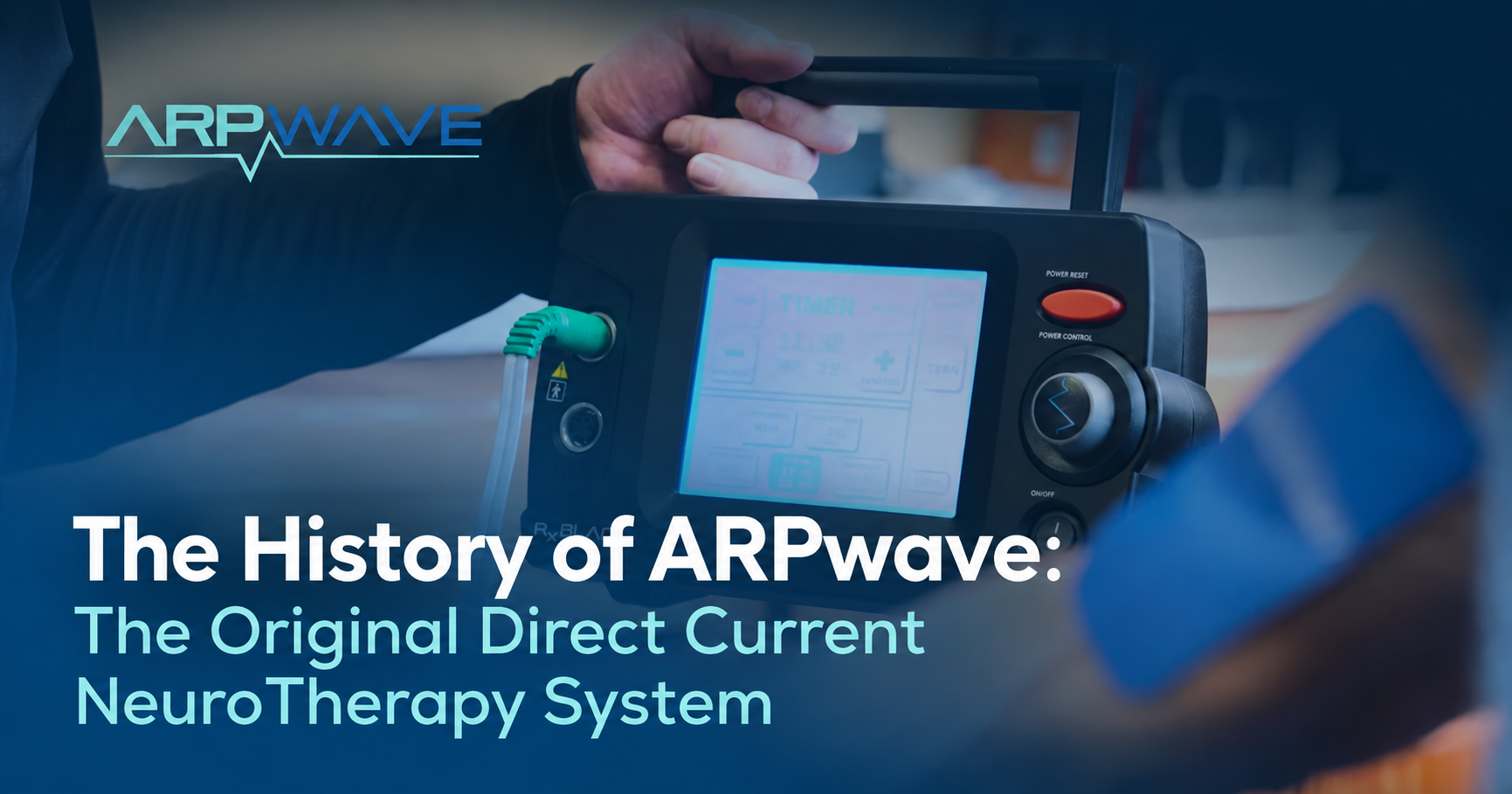
The RxBlack is ARPwave’s flagship and most advanced prescription device. It provides greater output, two treatment channels, reversible polarity, and an adjustable frequency range of 10–999 pulses per second. These capabilities allow for greater customization across therapy, recovery, strength, and performance applications.
Rx100
The Rx100 is ARPwave’s first-generation digital prescription device. It remains a capable option for many therapy and performance applications but offers lower output and a more limited frequency range than the RxBlack. The appropriate device will depend on your medical needs, goals, recommended program, and device availability.
- Therapy Packages: Therapy Plans – ARPwave
- Monthly Rental: Monthly ARPwave Rx Device Rental – ARPwave
Indications and Usage
The Rx100 and RxBlack are indicated for the relaxation of muscle spasms, the prevention or retardation of disuse atrophy, increased local blood circulation, muscle re-education, and the maintenance or increase of range of motion.
Importantly, the device is only one component of the ARPwave system. Electrical stimulation is paired with individualized electrode placement, active movement, progressive exercise, and application-specific protocols.
Together, these elements improve muscle activation, identify neuromuscular limitations, address compensatory movement patterns, and help restore strength and function.
ARPwave NeuroTherapy is progressive. Renting a prescription device provides the flexibility and customization needed to complete more advanced applications on your own schedule and, when appropriate, from home.
ARPwave FlexDoctor: Over-the-Counter Device
The FlexDoctor is a compact, portable, over-the-counter device intended for healthy tissue and general wellness or performance applications. It may be used to support muscle activation, strength, mobility, exercise preparation, and post-activity recovery.
The device includes straightforward instructions for basic applications, making it a convenient option for use at home, while traveling, or as part of a regular exercise and recovery routine.
The FlexDoctor offers lower output, one treatment lead, and fewer customization options than the Rx100 and RxBlack. It is not intended to provide the same advanced applications or provider-guided NeuroTherapy available with ARPwave’s prescription Class II medical devices.
- Rental: FlexDoctor Monthly Rental – ARPwave
- Purchase: FlexDoctor / PRS Device – ARPwave
Which ARPwave Device Is Right for You?
The right ARPwave option is not necessarily the most powerful device. It is the combination of device, application guidelines, and level of professional support that best matches your condition, goals, experience, and intended use.
The Rx100 or RxBlack, when paired with ARPwave’s application guidelines and NeuroTherapy protocols, may be more appropriate if you are:
- Recovering from surgery
- Managing a diagnosed medical condition
- Working through a significant injury
- Addressing chronic symptoms
- Following a guided NeuroTherapy program
- Seeking greater output, flexibility, and customization for more advanced therapy applications
The FlexDoctor, when used with its recommended ARPwave application guidelines, may be a better option if you are:
- Supporting general muscle recovery
- Preparing for exercise
- Working on strength and mobility
- Addressing minor everyday discomfort
- Using the device on healthy tissue
- Looking for a smaller, portable over-the-counter unit
Each device and application pathway serves a different purpose. An ARPwave representative can review your needs and help determine which device, application guidelines, and level of support are most appropriate before you rent or purchase.
Step 3: Getting Set Up for Success
The next step is deciding how much guidance you need to use the program safely and confidently. The right level of support depends on your medical history, goals, experience, and comfort using the program at home. ARPwave offers several guidance options based on your needs.
The Guided Therapy Advantage
Guided NeuroTherapy is strongly recommended for diagnosed conditions, chronic symptoms, significant injuries, and post-surgical recovery. Professional support can help you begin correctly and adjust the program as you progress.
As your symptoms change, your NeuroTherapy protocol may also need to change. Your guide can help adjust your movements, exercises, electrode placement, and device settings as your strength and function improve.
The ARPwave therapy professional will also assist with:
- Monitoring and tracking your progress
- Answering your questions
- Performing Force Absorption Testing to assess progress and readiness to return to activity
Practical Considerations for In-Home Use
Using ARPwave at home offers convenience and scheduling flexibility. Some applications, however, may require practice or assistance.
During a virtual appointment, you may need to position a camera, place the electrodes, operate the device, and perform the recommended movements. Areas such as the back, shoulders, and hamstrings may be difficult to reach. A family member, friend, or caregiver can make setup easier.
Step 4: The Daily Work
Once your device, ARPwave application guidelines, and therapy plan are in place, progress depends on consistency and active participation.
NeuroTherapy combines electrical stimulation with movement to improve neuromuscular communication and reinforce more efficient movement patterns. Follow your recommended schedule and communicate any changes with your ARPwave therapy professional so the program can progress with you.
Fueling Your Recovery
NeuroTherapy places demands on both the nervous system and muscles. Proper nutrition, hydration, and sleep support your body’s ability to recover and adapt.
Throughout the program, prioritize:
- Adequate protein
- Proper hydration
- Balanced nutrition
- Consistent sleep
You may also be advised to temporarily reduce strenuous or nonessential physical activity during the early stages of therapy. This allows your body to focus on establishing new movement patterns without unnecessary fatigue or interference.
Soreness and Recovery
Temporary muscle soreness may occur as your body adapts, much like it would when beginning a new exercise program.
The goal is to progressively improve function while extending the duration of relief between sessions. Your ARPwave therapy professional can adjust the program if soreness becomes excessive or interferes with your progress.
When recommended, NeuroRecovery may be used for at least 30 minutes to support muscle relaxation and recovery. It may also be used between formal protocol sessions, after physical activity, or overnight, based on your ARPwave application guidelines.
Ready to Begin Your ARPwave Journey?
Whether you are looking for home health physical therapy, in-home physical therapy near me, home physical therapy, or a flexible way to complete rehab at home, ARPwave can help you determine the right path.
Schedule a complimentary consultation with an ARPwave representative to:
- Review your condition, goals, and medical history
- Compare in-home and in-office therapy
- Understand the differences between the RxBlack, Rx100, and FlexDoctor
- Explore virtual NeuroTherapy options
- Select the appropriate device, ARPwave application guidelines, and support package
- Locate an ARPwave provider near you
ARPwave has providers and therapy locations throughout the United States. Find an ARPwave provider near you or contact us to determine whether in-home therapy is the right place to begin. Contact us now!