
ARPwave Resources
Say Goodbye to Knee Pain: Why ARPwave Therapy is the Best First Choice for Chondromalacia Patella Recovery

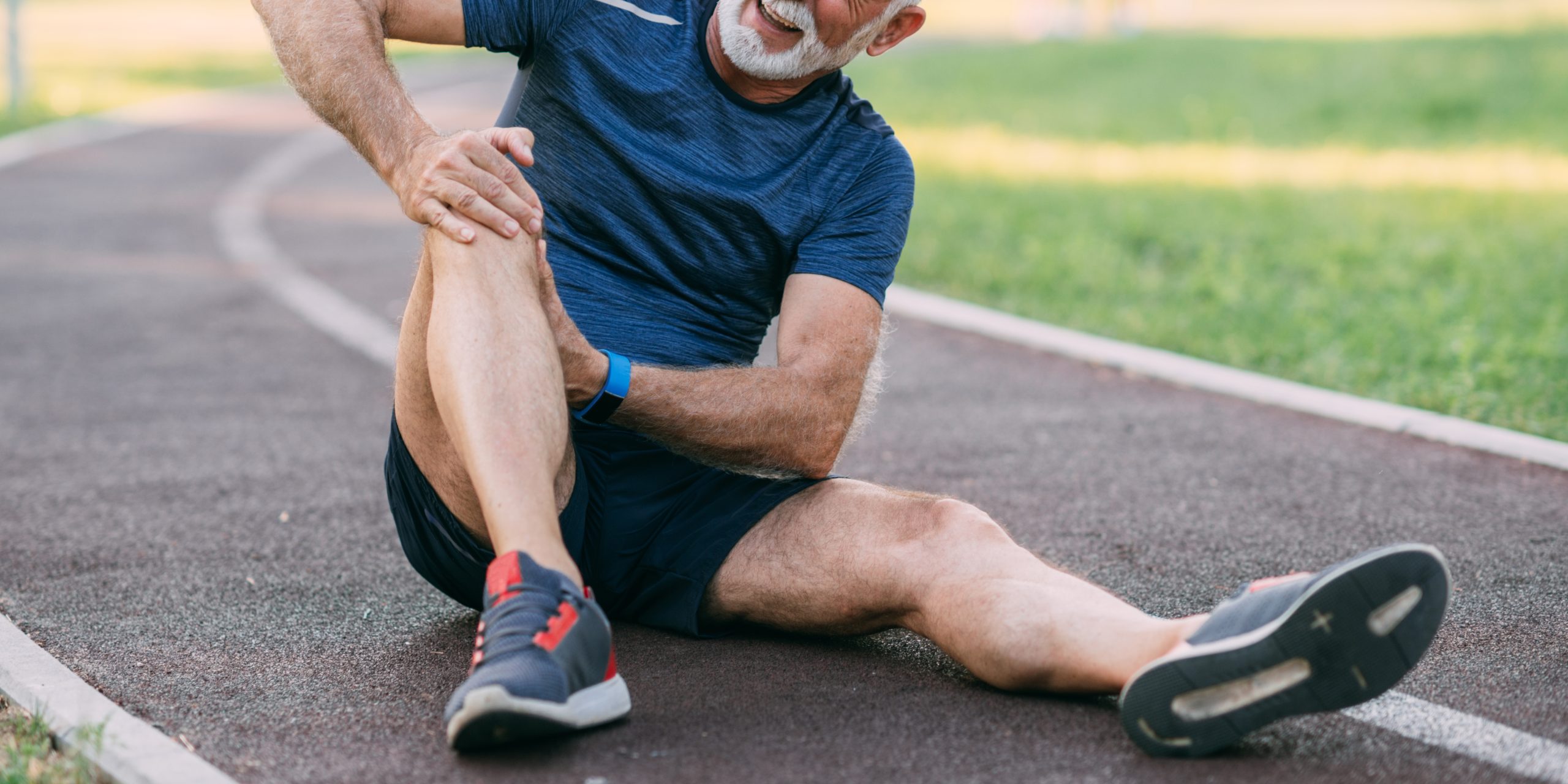
Knee pain can make everyday movement frustrating. Walking, climbing stairs, squatting, or even sitting too long can become uncomfortable when the source is chondromalacia patella, often called runner’s knee..
What Is Chondromalacia Patella?
Chondromalacia patella is a condition in which the cartilage under the patella, or kneecap, begins to soften, wear down, or become irritated. As that cartilage deteriorates, the kneecap can create more friction against the femur, leading to discomfort with movement and load. AAOS notes that while cartilage itself does not contain nerves, this breakdown can contribute to inflammation and pain in nearby structures.
This problem is common in runners, cyclists, athletes, and active individuals, but it can also show up in people with poor alignment, overuse, muscle imbalance, or altered movement mechanics. The Arthritis Foundation’s overview of chondromalacia patella also notes that it is common among runners and other athletes, and as mentioned above, is often referred to as runner’s knee.
What Are the Symptoms of Chondromalacia Patella?
Symptoms patterns are consistent with descriptions found at AAOS, Cleveland Clinic, and Mayo Clinic, all of which note pain at the front of the knee that often worsens with running, stairs, squatting, or sitting for long periods. Symptoms can range from mild irritation to persistent knee pain that interferes with exercise or daily life. See more detailed symptoms below:
- Pain around or behind the kneecap
- Grinding, clicking, or popping with movement
- Swelling or inflammation
- Pain with stairs, squatting, running, or prolonged sitting
- Discomfort when bending or straightening the knee
- Reduced confidence or stability during activity
What Causes Chondromalacia Patella?
Chondromalacia patella is often linked to abnormal stress across the kneecap and poor tracking of the patella during movement. That may be influenced by repetitive overuse, weakness in the quadriceps or hip stabilizers, muscular imbalance, poor movement mechanics, or previous injury.
In many cases, the pain is not just about the cartilage itself. The larger issue may be how the muscles around the hip, thigh, and knee are functioning together. That is one reason care often focuses on restoring strength, control, and movement quality rather than simply waiting for symptoms to calm down.
How Is Chondromalacia Patella Usually Treated?
Conservative care often includes rest, ice, activity modification, physical therapy, and progressive strengthening. That said, symptom relief alone may not fully address the movement dysfunction that contributes to ongoing irritation. If poor muscle recruitment, compensation, and knee tracking are part of the problem, treatment may need to focus on how the body moves, not just how much it hurts.
Why Consider ARPwave for Knee Pain?
ARPwave therapy stands out as a highly effective, non-invasive treatment for knee pain caused by chondromalacia patella. Rather than just addressing the symptoms, ARPwave focuses on the root cause of the issue: muscle imbalances and improper function around the knee joint. By pairing electrical stimulation and proper movement patterns, the system helps promote muscle re-education, improve circulation, and reduce inflammation, ARPwave therapy offers several key advantages for knee recovery.
- Immediate Pain Relief and Inflammation Reduction
- One of the main benefits of ARPwave therapy is its ability to provide rapid pain relief. The high-frequency electrical stimulation delivered during ARPwave therapy encourages increased blood flow to the knee area, which helps reduce swelling and inflammation. This immediate reduction in pain and inflammation allows individuals to engage in rehabilitation exercises sooner and recover faster.
- Muscle Re-education to Prevent Further Damage
- Many individuals with chondromalacia patella suffer from muscle imbalances, particularly in the quadriceps and hamstrings. These imbalances can place excessive pressure on the patella, further exacerbating knee pain and cartilage damage. ARPwave therapy helps retrain the muscles around the knee to work in coordination, reducing strain on the knee joint. By addressing muscle weakness and improving neuromuscular communication, ARPwave therapy can promote long-term knee health and prevent future injury.
- Accelerated Recovery for Faster Results
- If you’re dealing with knee pain from chondromalacia patella, you likely want to get back to your normal routine as quickly as possible. ARPwave therapy accelerates the body’s natural healing process by stimulating the muscles and tissues around the knee. This leads to faster recovery compared with traditional methods such as rest or medication, allowing you to return to physical activity with reduced pain and increased mobility sooner.
- Non-invasive and Safe Treatment Option
- Unlike surgery or invasive treatments, ARPwave therapy is a safe, non-invasive option for those looking to manage knee pain without the risks associated with surgery or long-term medication use. It’s an ideal first choice for anyone dealing with chondromalacia patella, as it allows individuals to address the underlying muscle dysfunction and knee pain without the need for more extreme interventions.
- Customizable Treatment for Optimal Results
- Every knee injury is unique, which is why ARPwave therapy is highly customizable to meet the needs of each individual. Whether you’re dealing with knee pain caused by chondromalacia patella, a sports injury, or muscle weakness, ARPwave therapy can be tailored to target your specific symptoms and recovery goals. This personalized approach ensures that you receive the most effective treatment possible for your condition.
So… Can ARPwave Therapy Help with Knee Pain / Chondromalacia Patella?
If the goal is to reduce pain, improve muscle function, and get back to activity, ARPwave Neuromuscular Therapy may be a strong first option to consider. As a non-invasive treatment approach, it is designed to help reduce pain, improve muscle function, and accelerate recovery so you can return to normal activity with less discomfort and better knee performance. Rather than waiting for symptoms to worsen, exploring ARPwave early may help support faster progress, long-term pain relief, and healthier movement overall.
ARPwave offers both in-clinic care and in-home options through its provider network and patient programs using both the RxBlack device and FlexDoctor.
Learn More About ARPwave
A good next step is to speak with an ARPwave provider or request a consultation directly. To explore treatment options, learn how the therapy works, or connect with a provider, here are the most useful ARPwave links:
- What Is ARPwave?
- ARPwave Patient Information
- Experience ARPwave / Find a Provider
- ARPwave Articles
- Contact ARPwave
- ARPwave Home Page