
ARPwave Resources
Best Physical Therapy for a Stroke and Rehabilitation Options

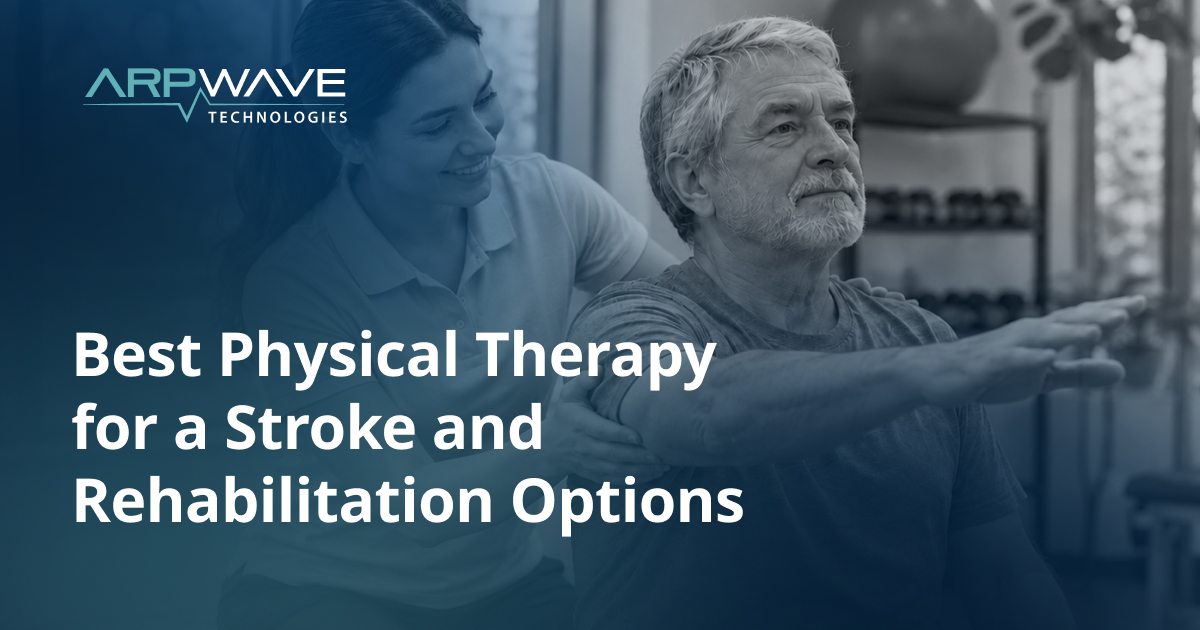
The best physical therapy for a stroke is an individualized rehabilitation program built around the movements and daily activities a person needs to regain. Treatment may include repeated task practice, walking and balance training, strengthening, and selected technologies such as electrical stimulation. The right combination depends on the person’s impairments, medical stability, and recovery goals. [1]
For someone recovering from a stroke, the question is often personal: What will help me get out of a chair, walk through my home, or use my affected arm again? This guide explains traditional rehabilitation approaches, the role of the wider care team, and where additional tools such as ARPwave may fit.
Why movement changes after a stroke
A stroke can damage brain circuits involved in movement, communication, and other abilities. Rehabilitation helps people relearn affected skills and develop ways to manage continuing limitations. Recovery may involve neuroplasticity, the brain’s ability to reorganize connections. The extent of recovery varies with the location and severity of the injury and other health factors. [8]
What makes physical therapy for stroke recovery effective
Stroke rehabilitation should connect treatment to meaningful activities. A useful goal might be walking to the bathroom with less assistance or standing long enough to prepare a meal. Ask your therapist which abilities are limiting that goal and how the proposed treatment addresses them.
Repeated practice of everyday movements
NICE recommends repetitive task training after stroke, including reaching and grasping for upper limb weakness and standing from a chair, walking, and stair use for lower limb weakness. These tasks give rehabilitation a practical focus. Your therapist can select the task, adjust the difficulty, and determine how much help you need. [3]
Walking and balance training
Physical therapy after stroke commonly addresses walking and balance. Depending on your needs, mobility training may include an assistive device such as a cane, walker, or ankle brace. The aim is to make movement safer and more useful in daily life. [2]
Strength and range of motion
Weakness and restricted movement can make daily tasks difficult. Stroke rehabilitation may include strengthening and range of motion exercises, with treatment adapted to the person’s abilities. Range of motion, or ROM, describes how far a joint can move. Ask your therapist how changes in strength or ROM will be assessed alongside function. [2]
For related background on muscle loss and activation, read ARPwave’s articles on disuse atrophy and muscle loss after surgery and core weakness. These discuss muscle function in other recovery settings. A stroke rehabilitation therapist should assess how those issues relate to your neurological condition and functional goals.
Pain during stroke rehabilitation
Pain after a stroke can involve the shoulder, muscles and joints, or the nervous system. The American Stroke Association’s guide to managing pain explains these different presentations. Tell your rehabilitation team about pain so its cause can be assessed and treatment adapted appropriately. [9]
ARPwave’s article on living with chronic pain provides additional background on its approach to pain and movement. Stroke-related nerve pain requires a specific clinical assessment; general pain information does not replace that evaluation.
Aerobic exercise and endurance training
Rehabilitation may include walking, stationary cycling, or adapted exercise to develop cardiovascular fitness. The activity and intensity should be selected after clinical assessment. Building endurance can help a person participate in movement practice and daily activities, and the program should reflect their medical condition and goals. [7]
Constraint induced movement therapy
Constraint induced movement therapy, or CIMT, combines intensive practice using the affected arm with limiting use of the less affected arm for prescribed periods. It also includes strategies for using the practiced skills in everyday life. It is an option for selected people with enough active wrist and finger movement, under professional guidance. [7]
Mirror therapy
In mirror therapy, a person watches the reflection of their less affected arm while the affected arm is hidden behind the mirror. The reflection creates the appearance of movement on the affected side. A therapist may consider it as an addition to usual rehabilitation for arm recovery. [7]
Practice between therapy visits
Ask for a home program that explains which activities to practice, what assistance or equipment you need, and when to stop and contact the therapist. NICE recommends that continued exercise be tailored to the person and supported with the instructions needed for safe participation. A generic exercise list cannot account for every survivor’s abilities. [3]
How to choose physical therapy for stroke patients
Look for a licensed physical therapist experienced in stroke rehabilitation and a plan coordinated with your medical team. Before starting, ask how the therapist will establish your current abilities, choose priorities with you, and reassess progress. The answers should explain what treatment is intended to help you do.
Useful questions include: Which daily activities will we work on first? What can I safely practice at home? How will you measure progress? If electrical stimulation is recommended, what specific problem is it intended to address? These questions help you compare programs beyond the equipment they offer.
The setting also matters. Rehabilitation may take place in a hospital, an inpatient rehabilitation facility, an outpatient clinic, or at home. The American Stroke Association emphasizes matching services to each survivor’s needs and supporting caregivers during the transition home. [1]
Can electrical stimulation help with stroke rehabilitation
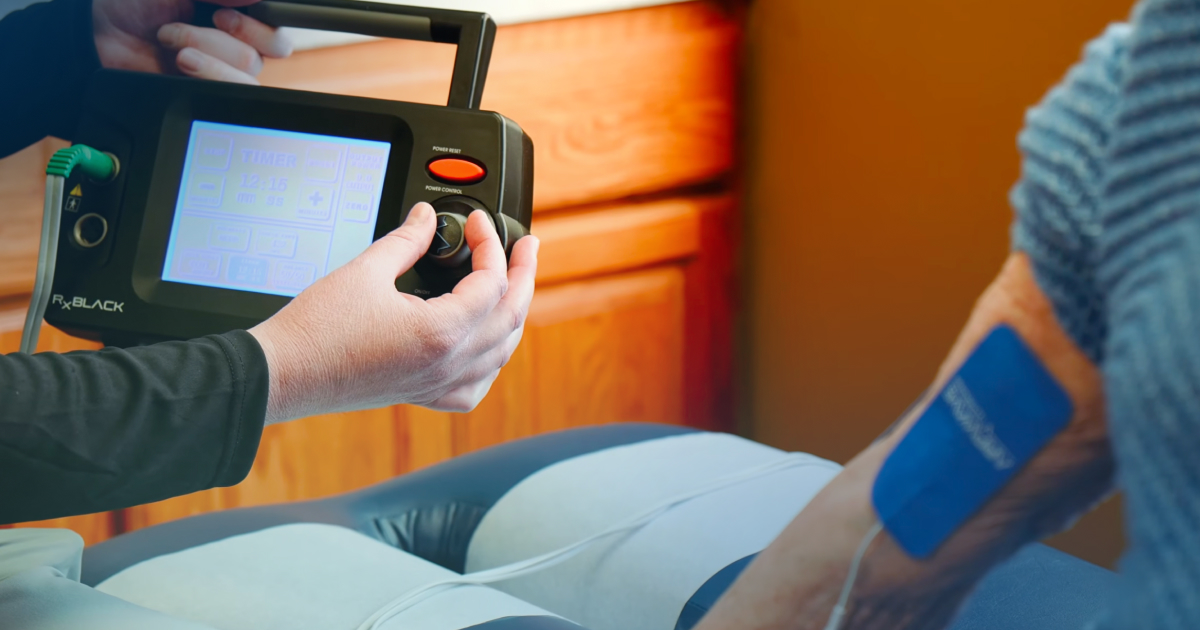
Electrical stimulation uses current delivered through electrodes on the skin to activate muscles. Neuromuscular electrical stimulation, or NMES, is used to produce muscle contractions. Functional electrical stimulation, or FES, applies stimulation during an activity. These approaches can be considered for specific rehabilitation goals. [4, 5]
A 2025 systematic review and network meta-analysis included 106 randomized trials with 7,513 participants. It reported improvements in motor function and activities of daily living when peripheral electrical stimulation was added to routine rehabilitation. The review compared different stimulation approaches and treatment parameters. [4]
A Cochrane review published in December 2025 adds an important comparison. It found that cyclical electrical stimulation improved strength compared with no treatment or sham stimulation. FES provided only a small additional benefit compared with practicing the same activity without stimulation. Evidence comparing cyclical stimulation with other strengthening treatments was limited. [5]
Electrical stimulation is therefore a treatment to select for a reason. For example, NICE advises against routinely offering it to everyone for arm or hand recovery, while supporting a professionally guided trial for selected patients. Whether it helps should be judged against the person’s functional goals. [3]
Physical therapy occupational therapy and speech therapy after stroke
Stroke recovery can require several kinds of therapy. Physical therapists address mobility and balance. Occupational therapists help with daily activities such as dressing and bathing. Speech and language pathologists address communication and swallowing needs. A coordinated plan matches these services to the individual. [2]
Occupational therapy can connect movement to practical tasks such as eating, writing, and managing personal care. Speech therapy for stroke patients may focus on language, speech, or alternative ways to communicate. These services address different consequences of stroke, and a person may need several therapies at the same time. [8]
Where ARPwave may fit in physical therapy after stroke
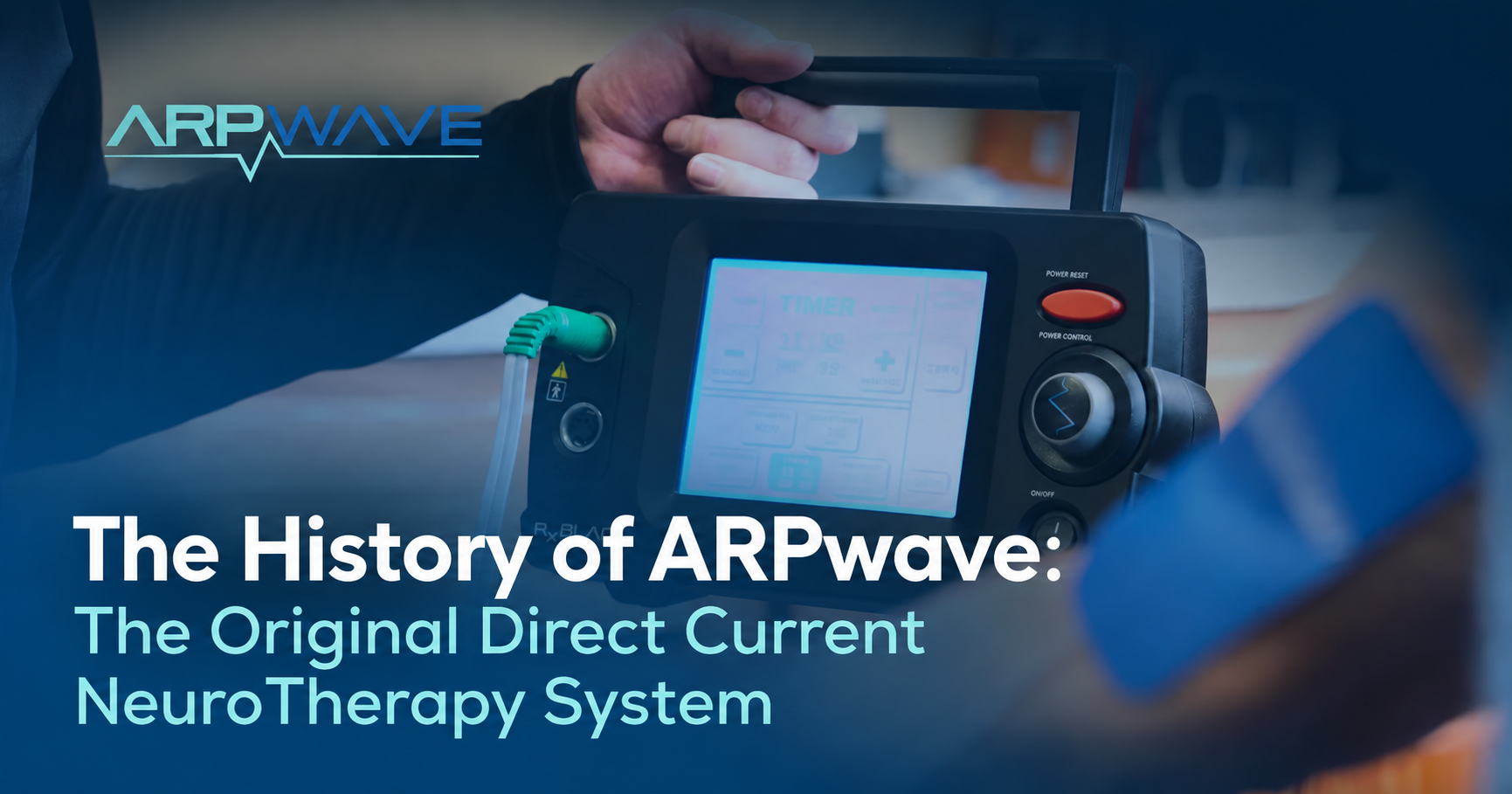
ARPwave Therapy combines its electrical stimulation devices with application guidelines that can incorporate active movement. A qualified rehabilitation professional may consider whether this approach is appropriate alongside a person’s existing stroke rehabilitation program.
Depending on the individual’s abilities and medical clearance, stimulation may be paired with selected exercises or functional movement practice. The provider should explain the intended goal and how the person’s response will be assessed. The NMES and FES research discussed above does not establish equivalent results for ARPwave or show that it outperforms other stroke rehabilitation approaches.
Before adding ARPwave, the treating professional should review the person’s medical history and the device’s contraindications and precautions. Device selection, electrode placement, stimulation settings, and movement activities should follow the applicable device instructions and ARPwave application guidelines. Coordinate this decision with the stroke rehabilitation team.
Frequently asked questions about stroke physical therapy
What is the best physical therapy for a stroke
There is no single best program for every stroke survivor. Look for an individualized plan with meaningful movement practice, appropriate progression, and goals you can reassess with your therapist. Electrical stimulation may be considered when it addresses a specific need. [1]
When should physical therapy after stroke begin
Rehabilitation often begins in the hospital once the medical team determines it is appropriate. The timing and intensity depend on the person’s condition. Ask the treating team when movement practice can safely start. [2]
Can stroke recovery continue after the first year
Yes. The American Stroke Association explains that improvement can continue for months or years. Progress varies, and ongoing activity and rehabilitation goals should reflect the person’s changing needs. [1]
Does everyone need electrical stimulation after a stroke
No. Electrical stimulation is selected for particular goals and abilities. It should be assessed as part of the rehabilitation plan, with continued use based on whether it is helping. It does not replace the need for appropriate movement and task practice. [3, 5]
Discuss your next step with ARPwave
If you or a family member are exploring additional support after a stroke, tell us what you are working toward. Whether the priority is movement practice or a return to a specific daily activity, we can discuss ARPwave and help you ask the right questions about whether it belongs in your rehabilitation plan.
Contact ARPwave About Your Recovery Goals
Call (952) 431-9708 or email [email protected]. [6]
Sources
- American Stroke Association. Stroke Rehabilitation
- Mayo Clinic. Stroke rehabilitation What to expect as you recover
- NICE. Stroke rehabilitation in adults Recommendations NG236
- Zhou and colleagues 2025. Peripheral Electrical Stimulation on Motor Function and Activities of Daily Living After Stroke
- Scrivener and colleagues 2025. Electrical stimulation of the motor system after stroke Cochrane Review
- ARPwave. Contact Us
- National Clinical Guideline for Stroke 2023. Motor recovery and physical effects of stroke
- National Institute on Aging. Stroke Signs Causes and Treatment
- American Stroke Association. Managing the Pain